
How To Choose And Install Wall Sconces

Lighting Expert
October 2, 2026
Wall sconces are one of the easiest ways to add another layer of light without taking up valuable floor or table space. They can provide flattering bathroom lighting, brighten a hallway, replace bedside lamps, or simply add warmth and character to a room. The key is choosing the right style for the space and installing them at a height that works for both the fixture and the people using the space.
How High Schould Wall Sconces Be?
As a general starting point, install wall sconces with the center of the fixture approximately 60–66 inches from the floor. From there, adjust the height based on ceiling height, fixture size, furniture, and the purpose of the light.
• In rooms with taller ceilings, sconces can often be mounted slightly higher to stay proportional to the wall.
• Consider where the actual bulb or light source falls—not just the backplate. Ideally, exposed bulbs should not sit directly at eye level.
• Before installation, have someone hold the fixture against the wall or create a paper template so you can check the height and scale from across the room.


Bathroom Wall Sconces
Before choosing bathroom sconces or wall lights, think about how the space is used. If the vanity is for daily grooming tasks like shaving or makeup application, prioritize bright, even light on both sides of the face. In a powder room or guest bath, the sconces can be more decorative and focused on creating a specific atmosphere or style.
Look for damp-rated lighting when choosing sconces for a bathroom. Damp-rated fixtures are designed for humid interior environments, although they should not be installed where they will come into direct contact with water.
Sconces Beside a Bathroom Mirror
• When installing a pair of sconces beside a vanity mirror, keep them evenly spaced from the mirror and aligned with the mirror’s center point for a balanced, symmetrical look.
• Position the center of the fixtures around 60–66 inches from the floor, or roughly at eye level for the people who use the bathroom most.
• With double vanities, place sconces at the outer edges with an additional sconce between the mirrors, depending on the available wall space and layout.
• For daily grooming tasks like shaving or makeup application, choose sconces with opal or frosted glass to create soft, even, diffused light.
• For decorative lighting, such as in a moody powder room, look for sconces that wash the wall with light or provide soft, indirect illumination.
For soft, flattering bathroom light, place sconces at about eye level on either side of the mirror. This helps light your face more evenly and reduces the harsh shadows that overhead lighting can create.


Hallway & Stairway
Wall Sconces
Hallways and stairways are natural places for wall sconces because they add light without taking up valuable floor space. A repeated row of sconces can also create rhythm along a long wall and turn an otherwise overlooked passageway into part of the home's overall design.
On a staircase, sconces can illuminate areas that overhead lighting may not reach evenly. Keep the fixtures at a visually consistent height relative to each stair tread as you move up the staircase, rather than measuring every fixture from the floor at the bottom.
Hallway Sconce Placement
• Mount the center of hallway sconces approximately 60–66 inches above the floor. With taller ceilings, you can move them slightly higher to maintain proportion.
• For a long hallway, spacing sconces approximately 6–8 feet apart is a useful starting point for even illumination.
• Keep fixture depth in mind. In narrow hallways and staircases, look for sconces with a relatively slim projection so they don't intrude into the walkway.


ADA Compliant Wall Sconces
ADA-compliant wall sconces have a slim profile designed to minimize how far the fixture projects into a walking path. In areas where ADA protrusion rules apply, wall-mounted fixtures positioned between 27 and 80 inches above the floor can extend no more than 4 inches from the wall into the circulation path.
• Look for sconces specifically identified as ADA-compliant, especially for hallways, corridors, entryways, and other high-traffic areas.
• Their low-profile design also makes ADA sconces a smart choice for narrow hallways, stairways, small bathrooms, and compact spaces, even when ADA compliance isn’t required.
• A fixture’s extension measurement tells you how far it projects from the wall, so check this specification when shopping for a slim-profile sconce.

Bedside Wall Sconces
Bedside sconces free up nightstand space while bringing the light exactly where you need it for reading or winding down at night. Fixed sconces create soft ambient light, while swing-arm and adjustable wall lights allow you to direct light toward a book or tablet.
Hardwired sconces create the cleanest look because the wiring is concealed inside the wall, while plug-in sconces are a great alternative when you don't already have a junction box. Plug-in styles are especially useful for renters, bedrooms where furniture may move, or anyone who wants the look of built-in bedside lighting with more flexibility.
Sit in bed before deciding on the final height. A measurement that looks perfect while standing can feel completely different once you're sitting against the headboard.
How High Should Bedside Sconces Be?
With a standard-height bed, about 60–65 inches from the floor to the center of the fixture is a useful starting point. More importantly, the light source should sit around or slightly above shoulder level when you’re sitting up in bed.
• Consider the height of the mattress and headboard before finalizing placement.
• Keep the fixture within comfortable reach if it has an integrated switch or adjustable arm.
• Swing-arm and adjustable sconces can be mounted based on where the light falls when extended, rather than the fixture’s resting position.


Don’t forget about switch function. Some wall sconces have an on/off switch or dimmer directly on the fixture or cord, while others are controlled only by a wall switch. For bedside use, think about which option will be easiest to reach and most convenient from the bed.

Wall Sconces In The
Living Room & Dining Room
Wall sconces are a great way to layer light with a chandelier, ceiling fixture, or floor lamps. Sconces can brighten darker corners, add symmetry, or highlight architectural and decorative features without competing with the room’s primary light source.
• Try a matching pair on either side of a fireplace or built-in shelving.
• Add two sconces above a console or buffet in the dining room for additional light in serving areas.
• Use decorative sconces to break up a large blank wall and add ambient light at eye level.
• Picture lights are a great option for highlighting artwork, adding a focused layer of illumination while making the piece feel more intentional and gallery-like.
Wall sconces don't always have to match your living room chandelier. Repeating one element, such as the finish, glass color, or overall shape, is often enough to make different fixtures feel connected.


Wall Sconces In The Kitchen
Wall sconces can bring another layer of decorative lighting to a kitchen, particularly in areas where there is open wall space or where the primary light source doesn't reach. Wall lights also add style and function to walk-in pantries or butler's kitchens.
• Use sconces to flank a range hood and create a balanced focal point around the cooking area.
• Frame a window with a pair of sconces for symmetry and additional light at night.
• Install sconces near open shelving to add both useful illumination and decorative interest.
Keep the fixture's projection from the wall and location in mind so that cabinet doors, pull-out shelves, and cooking areas have plenty of clearance.


Wall Sconce Installation Tips
Before installation, take a few minutes to check the fixture’s size, placement, and electrical requirements. A little planning can help prevent awkward proportions, glare, or clearance issues once the sconce is on the wall.
• Confirm whether the fixture is hardwired or plug-in and whether the electrical connection is located where you want the sconce to be.
• Check the fixture’s height, width, and extension so you know how much wall space it will occupy and how far it projects into the room.
• Consider the light source and direction. Make sure exposed bulbs or bright LEDs won’t sit directly in your line of sight.
• When installing a pair, measure carefully so both sconces are mounted at the same height and evenly spaced from the mirror, fireplace, artwork, or other feature they frame.
• Use painter’s tape or a paper template to mark the fixture’s actual size on the wall before installation. It’s one of the easiest ways to check height, scale, and spacing before committing.
• In bathrooms or other humid areas, check that the fixture has the appropriate damp or wet location rating for its placement.
• For hardwired fixtures, always follow the manufacturer’s instructions, turn off power at the circuit breaker before electrical work begins, and use a qualified electrician when a new junction box or wiring is required.
In Conclusion
Choosing the right wall sconces starts with thinking about what you want the light to do. Bathroom sconces can provide flattering vanity lighting, hallway sconces improve visibility while adding architectural interest, and bedside sconces create comfortable task lighting without taking up nightstand space. By considering mounting height, fixture size, light direction, and placement before installation, wall sconces can become one of the most functional—and decorative—layers of lighting throughout your home.
Frequently Asked Questions
Still have questions?
Talk to our lighting teamYou Might Also Like
How to Choose Kitchen Lighting
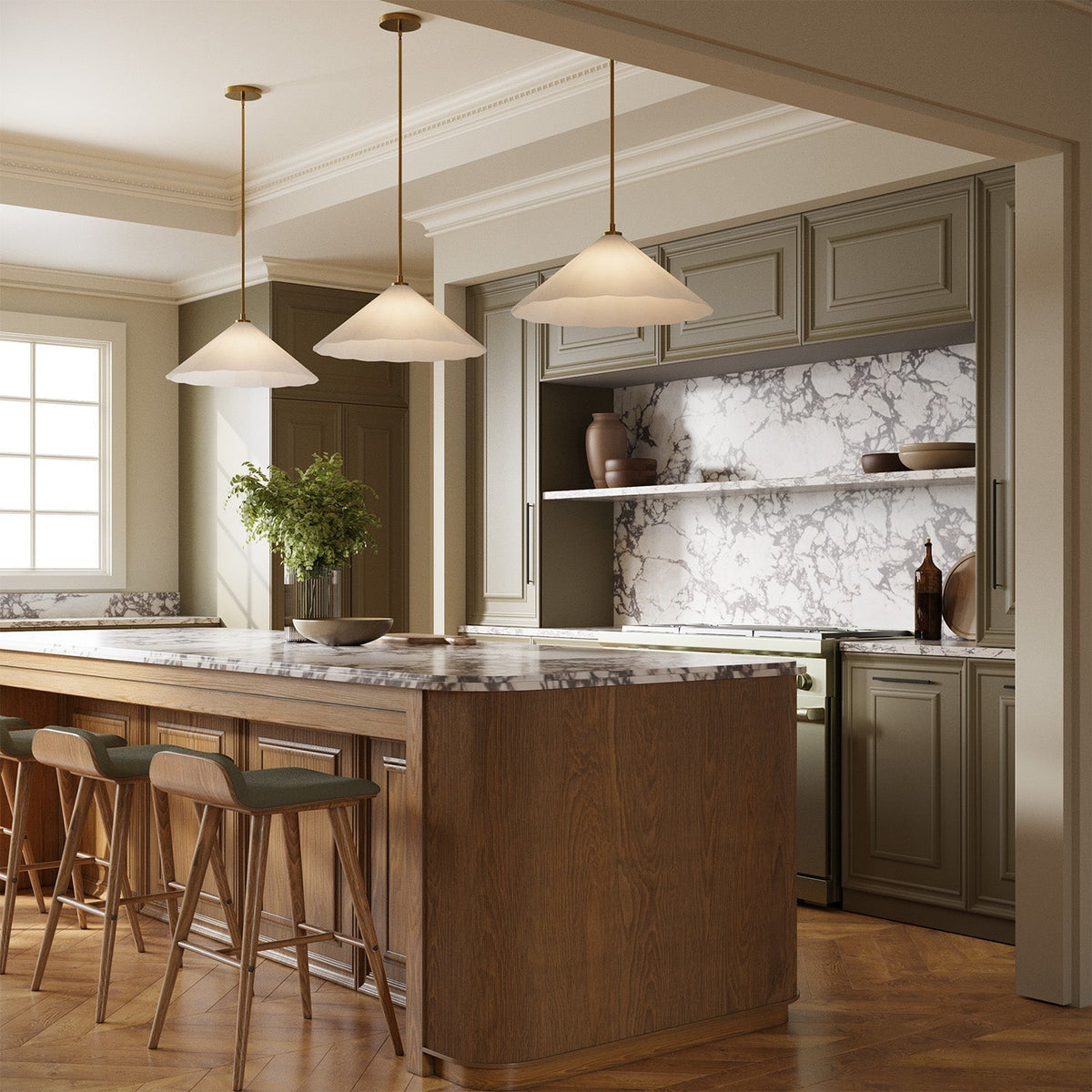
Pendant lights are one of the easiest ways to add both practical light and personality to a kitchen island. Depending on the length of your island and the size of your fixtures, you can use one oversized pendant, a pair of statement lights, or a row of smaller pendants. The goal is to provide even illumination across the work surface while keeping the fixtures visually balanced with the island below.
How to Choose Color Temperature for Every Room
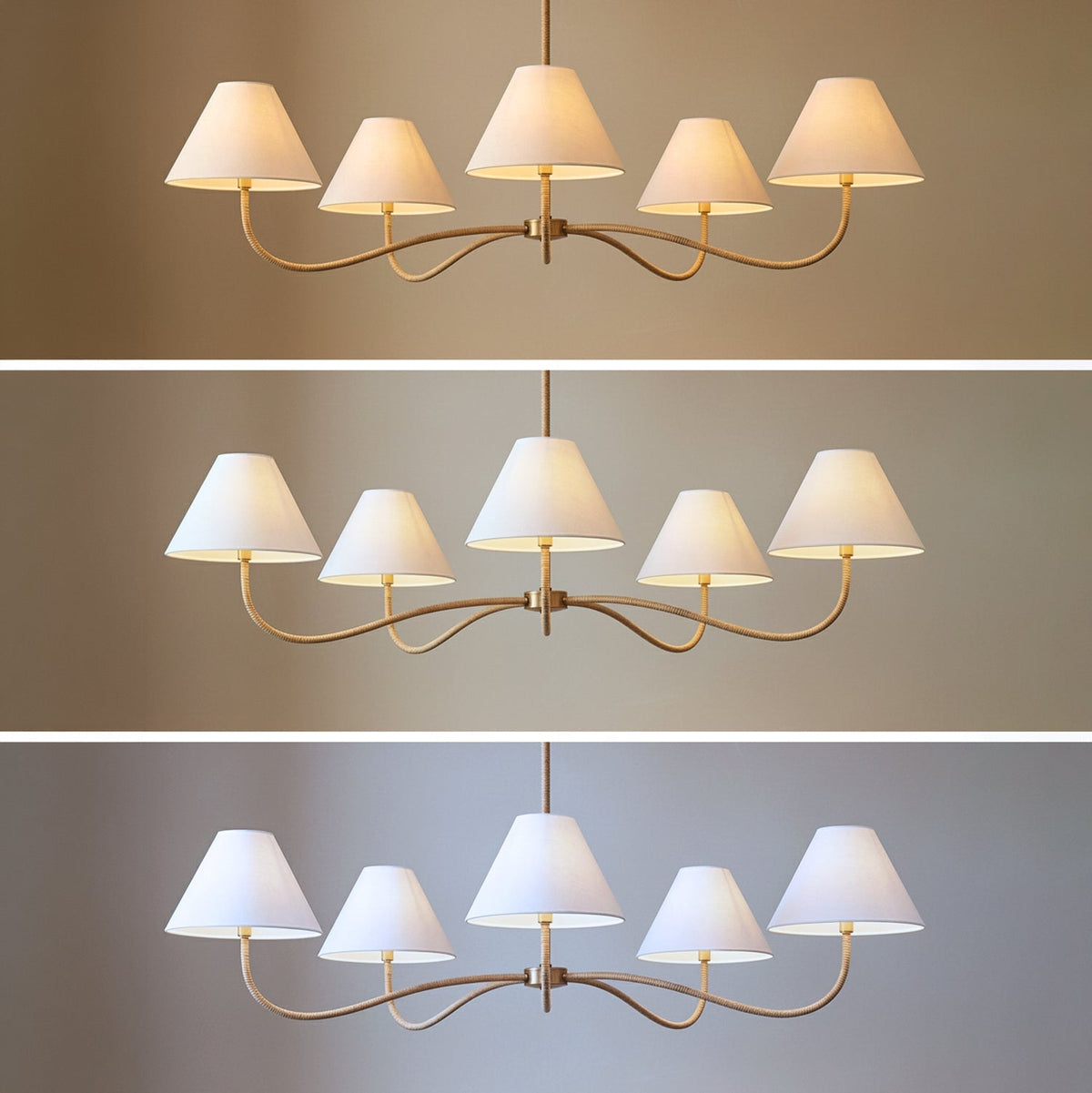
Light color temperature is measured on the Kelvin (K) scale and dictates whether a space feels warm and relaxing or cool and energetic. Choosing between 2700K (Soft White), 3000K (Warm White), 4000K (Cool White), and 5000K (Bright White—typically not recommended for residential spaces) depends on the room's function, decorative finish, and time-of-day usage.
How to Choose The Right Chandelier
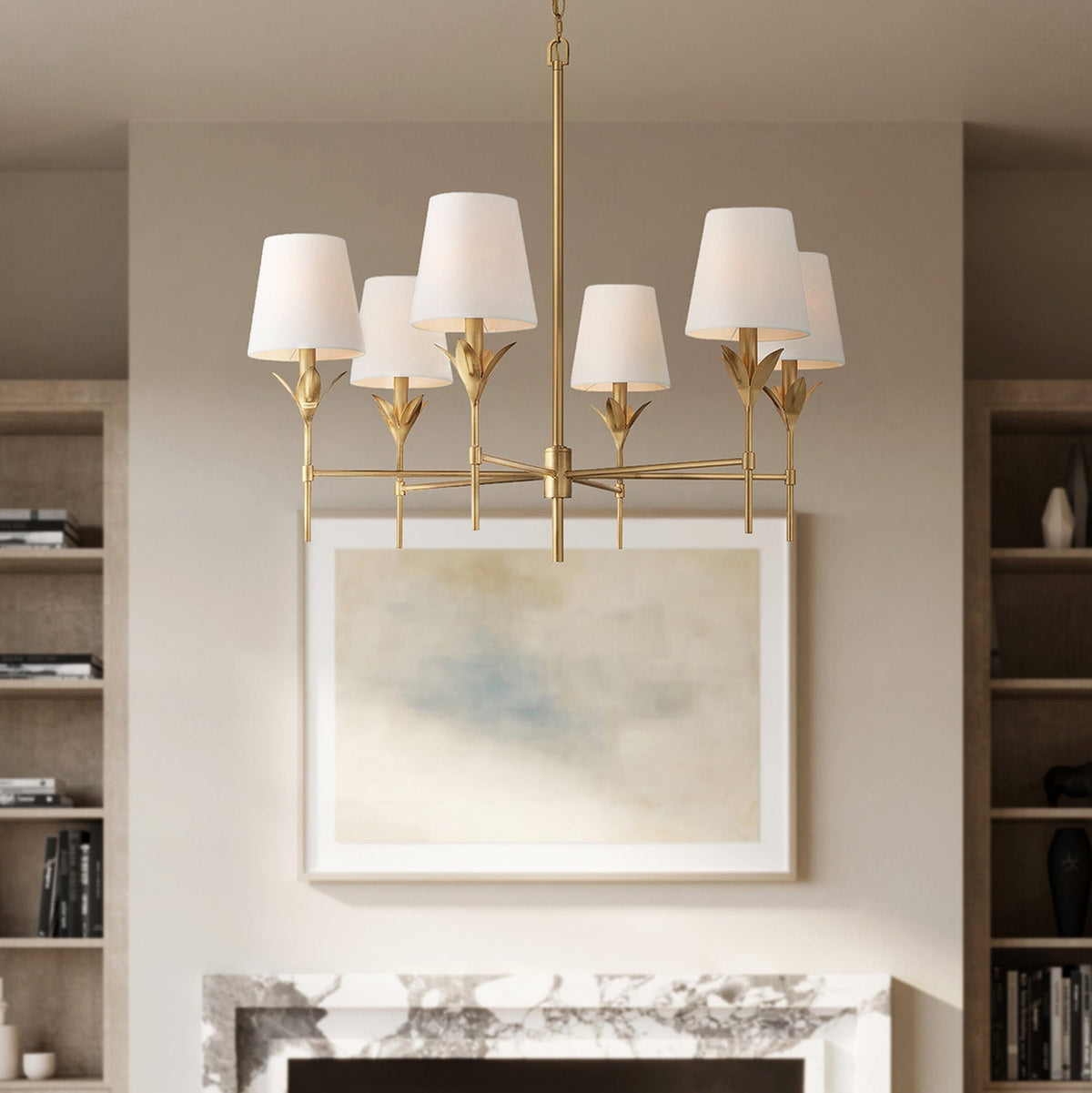
Choosing the right chandelier is about finding the perfect balance of size, shape, and style for your home. Whether you’re selecting a chandelier for a dining room, living room, or foyer, the right proportions can make all the difference. With a few simple chandelier sizing and style tips, you can find a fixture that feels beautifully balanced and perfectly suited to your space.
Bright Ideas for the Home Office
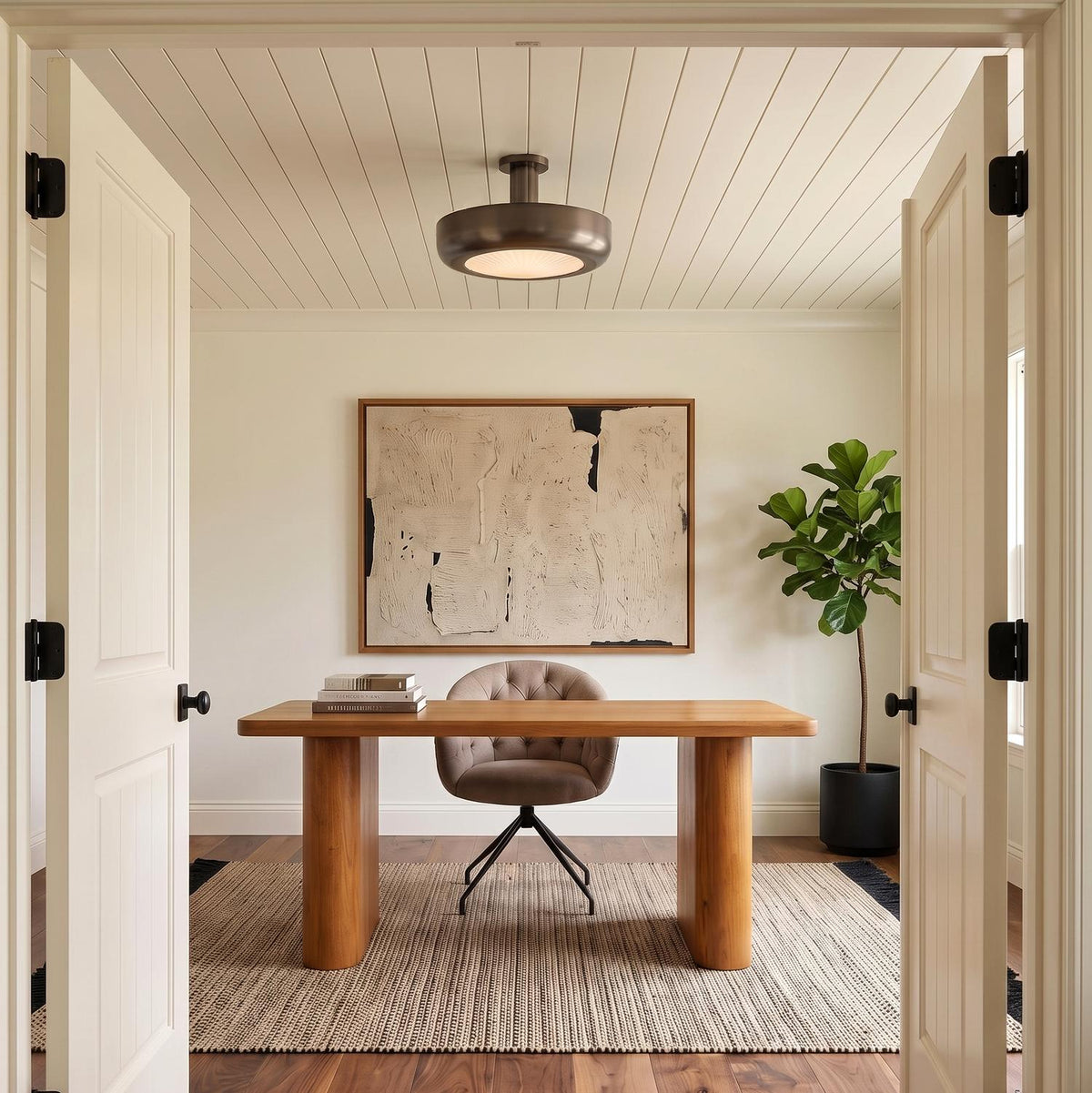
Across the spectrum of careers, modern work life is changing. While we adjust to the work from home lifestyle, the home office has become an essential part of our homes. Turning a spare bedroom or den into a home office that projects professionalism and maximizes productivity isn’t rocket science, but it isn’t as simple as swapping the daybed for a desk. This how-to will show you what lighting can do to help make your home office your favorite place to work.
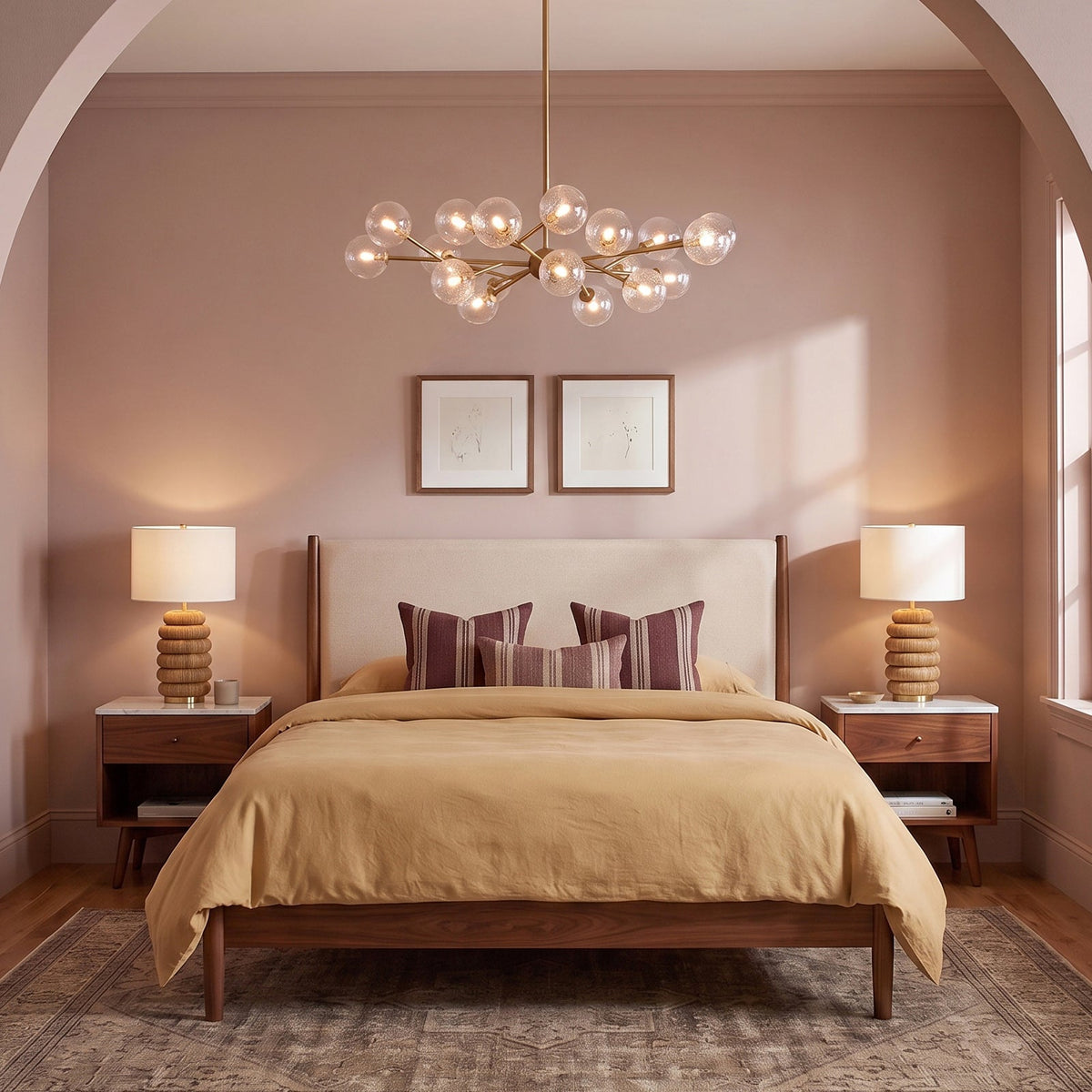
How Lighting Affects Your Home’s Paint Color
Why do your navy blue walls look black at certain times of day? And why does a normally white room appear yellow in the evenings? If you’ve ever experienced these perplexities, you can attest to how much light can affect our perception of color.

Iconic MCM Lighting Designers to Know
Meet the minds behind some of the world’s most popular lights. Mid-Century Modern is a design movement that emerged roughly from the mid-1940s to the late 1960s, flourishing in post-WWII America and Europe. It is characterized by simplicity, functionality, and a strong connection to nature. Lighting played a crucial role in MCM interiors—not just as a functional necessity, but as a form of sculptural art that reflected the era's values: innovation, efficiency, and elegance.
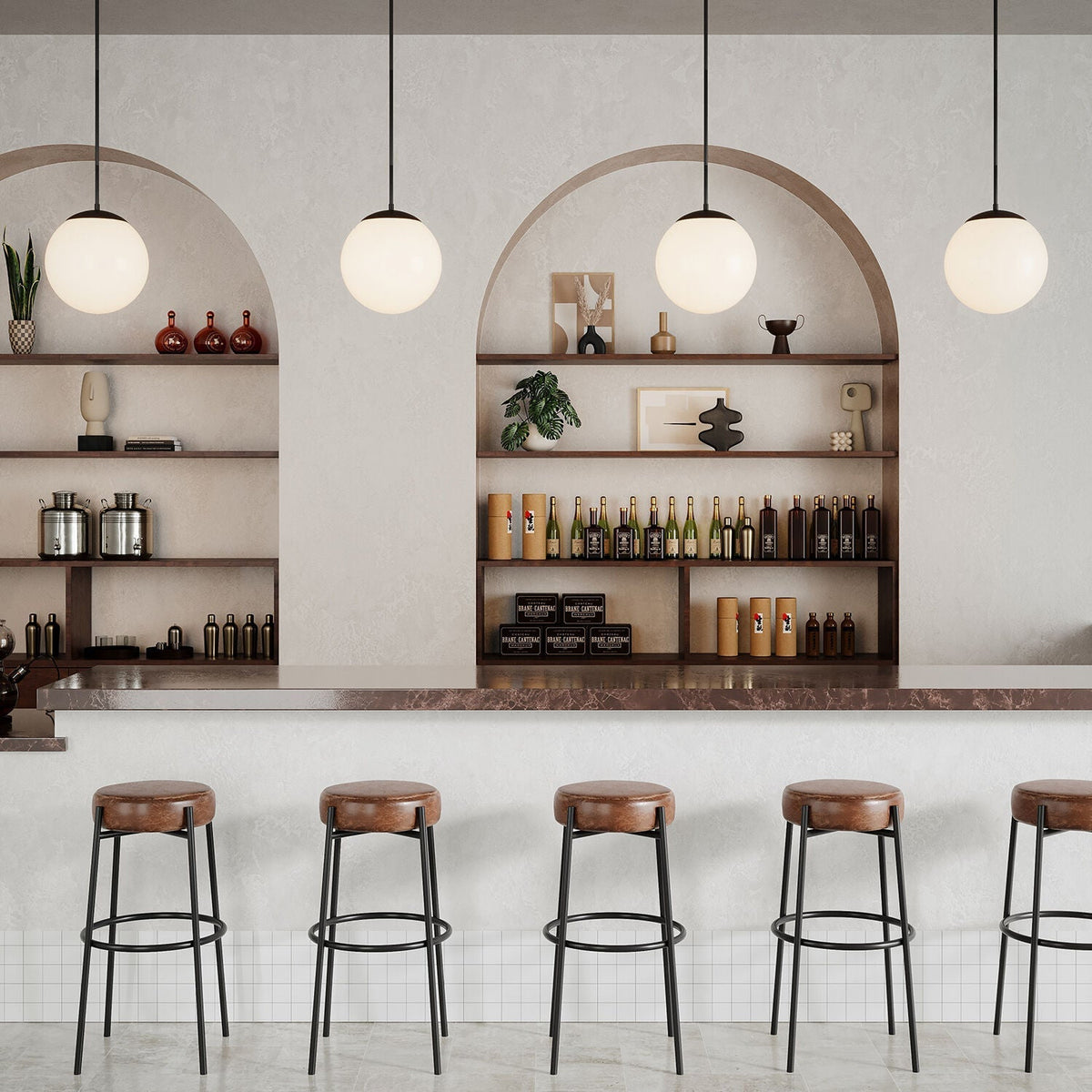
The Globe Pendant Light, A Mid-Century Favorite Then and Now
While the globe pendant light has made a triumphant return, appearing in design magazines and well-decorated contemporary homes as of late, this mid-century fixture never fell out of favor. Since its inception, the globe light fixture has remained a cult favorite among mid-century enthusiasts from California to New York.
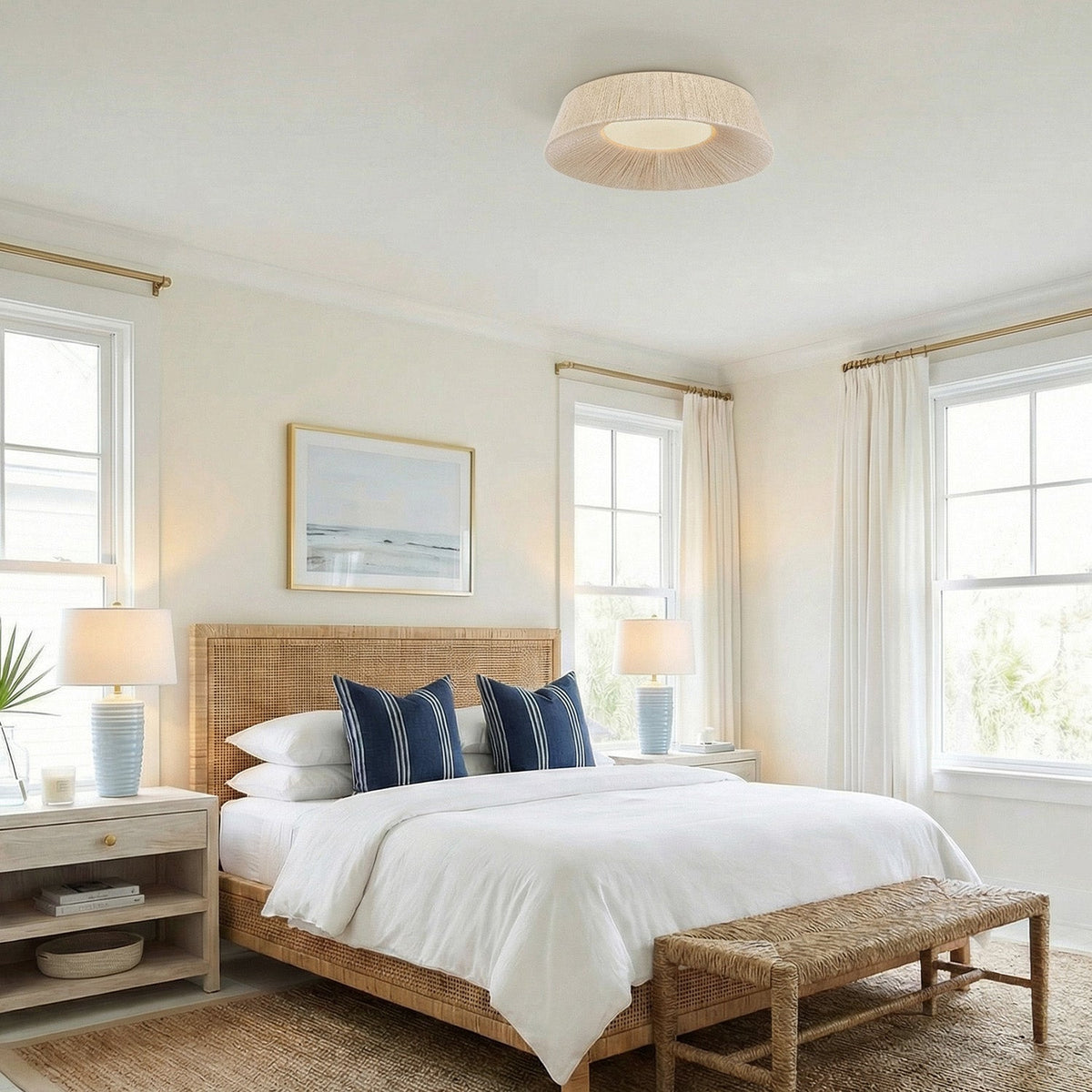
Modern Bedroom Lighting Design: Tips and Basics
Modern bedrooms are versatile, intimate spaces. They serve as a physical reflection of your interests and style and as a retreat from daily stresses. Modern bedroom lighting should be designed with attention on equal parts functionality and relaxation. This 101 is a quick guide with tips for getting the bedroom lighting you need in with the modern bedroom lighting style you want.


