
The Holiday Lighting Playbook: How to Host Thanksgiving Like an Interior Designer

Lighting Expert
November 6, 2026
The right lighting can completely change the way your home feels during the holidays. Long before the turkey leaves the oven or the wine is poured, lighting is the silent host that tells your guests how to feel. Bright, even light is useful while you’re cooking, setting the table, and getting ready for guests—but once the entertaining begins, softer layers of light help the whole house feel warmer, more relaxed, and more inviting. A stark overhead glare makes people feel hurried and exposed; a warm, layered ambient glow invites them to relax, kick off their shoes, and linger at the table for seconds.
The good news: creating that atmosphere doesn’t require a full renovation. A new statement fixture, a dimmer, or a few well-placed layers of warm light can make a surprisingly big difference.
Here’s how to light each part of your home for Thanksgiving dinners, holiday parties, and all the gatherings in between.
1. The Entryway: Designing an Unforgettable First Impression
Holiday entertaining starts before anyone reaches the dining table. Your entryway is the first chance to make the house feel welcoming.

• Upgrade the Basic Ceiling Light: If your foyer or hallway still has a simple builder-grade flush mount, swapping it for a more decorative flush mount or semi-flush fixture can instantly make the space feel more intentional. Look for textured or ribbed glass, softly diffused shades, or warm metallic finishes such as aged brass for a fixture that feels special without taking up too much headroom.
• The Warmth Factor: For entryways, we recommend lighting around 2700K. This warm-white color creates a comfortable transition from outdoors and complements seasonal greenery, wood tones, brass accents, and holiday décor.
• HOLIDAY TIP: Add a pre-lit wreath to the door or greenery to an entry console, then use the surrounding light to highlight the texture rather than overpower it.
Langford Semi-Flush 13", Black and Satin Brass
2. The Kitchen: Navigating the Shift from Prep to Party
During the holidays, the kitchen has two very different jobs: food prep and entertaining.
Earlier in the day, you need plenty of useful task lighting. Once the food is ready and guests start gathering, the room can shift into something softer.

• Keep Bright Light for Prep: Recessed ceiling spotlights and other overhead lighting are essential when chopping herbs, prepping food, and carving the turkey, but they can cast harsh, unflattering shadows once guests gather around the island. Once the food is plated, dim them or switch them off and let your more ambient lighting take over.
• Soften the Room Once Guests Arrive: When prep is finished, dim or reduce the general overhead lighting and let pendants, sconces, and smaller accent lights do more of the work. If your kitchen island becomes the gathering spot, pendants with opal, milk-glass, or frosted shades can provide comfortable light without putting a bright bulb directly in anyone’s line of sight.
• HOLIDAY TIP: If your kitchen has counter stools or dining chairs nearby, tie a small evergreen swag, ribbon, or mini wreath to the back of each chair. It adds an easy festive layer without taking up valuable counter space.
Dawson Pendant 25", Bronze with Linen Shade
3. The Dining Room: The Star Space of Thanksgiving
The dining table is the main stage for the holiday. Your fixture needs to frame the feast without blocking sightlines or creating harsh glare.
The Golden Rules of Dining Illumination
• The 30-to-36-Inch Rule: Hang your chandelier or linear pendant so the bottom edge sits 30 to 36 inches above the tabletop. This clears eye level, allowing uninterrupted conversation and eye contact across the centerpiece.
• Proportion Matters: Your fixture should measure approximately one-half to two-thirds the width of your dining table. If you're expanding your table with leaves for a crowd of 8 to 12, a linear multi-light fixture or a pair of matching pendants distributes light evenly from end to end.
Blending Chandelier Glow with Candlelight
Holiday tables look especially beautiful when overhead light is paired with candles.
• Dim your overhead chandelier to approximately 25%–30% capacity. This creates a glowing halo over the spread while letting the flicker of unscented table votives dance across glassware.
• HOLIDAY TIP: Worried about open flames while passing the food? Shop for flameless LED candles with a realistic warm flickering flame. They give an almost identical glow without the safety stress.

Halston 3 Light LED Chandelier 31", Vintage Brass and Alabaster

Chesterfield 2 Shade Linear Pendant 54", Aged Brass and Distressed Bronze

Taylor 6 Light Chandelier 30", Matte Black
4. The Living Room: Layering for Late-Night Lingering
Once dinner wraps up, the gathering naturally drifts into the living room for pie, coffee, and conversation. The secret to post-dinner comfort is eliminating reliance on a single central light.

Light More Than One Area
Try combining:
• A floor lamp beside an armchair
• A table lamp on a console or side table
• A picture light over artwork
• Wall sconces around a fireplace or built-ins
Lighting multiple areas helps draw the eye around the room and prevents the space from feeling dark at the edges.
• HOLIDAY TIP: If your kitchen opens directly into your dining or living room, keeping the color temperature the same throughout can help the entire entertaining area feel more cohesive. We recommend a warm white 2700K to 3000K for these indoor spaces.
Hayden Wall Sconce 21", Aged Brass
Give Your Home the Warmth It Deserves This Season
The best holiday lighting does more than make a room look beautiful—it helps every space feel warmer, more comfortable, and ready for people to gather. A well-placed chandelier, softly diffused pendant, or statement flush mount can change the mood of a room long before the first guest arrives.
Explore holiday-ready lighting at Lights.com, from warm Aged Brass chandeliers and kitchen pendants to sconces, picture lights, and flush mounts designed to make entertaining spaces feel special all season long.
Frequently Asked Questions
Still have questions?
Talk to our lighting teamYou Might Also Like
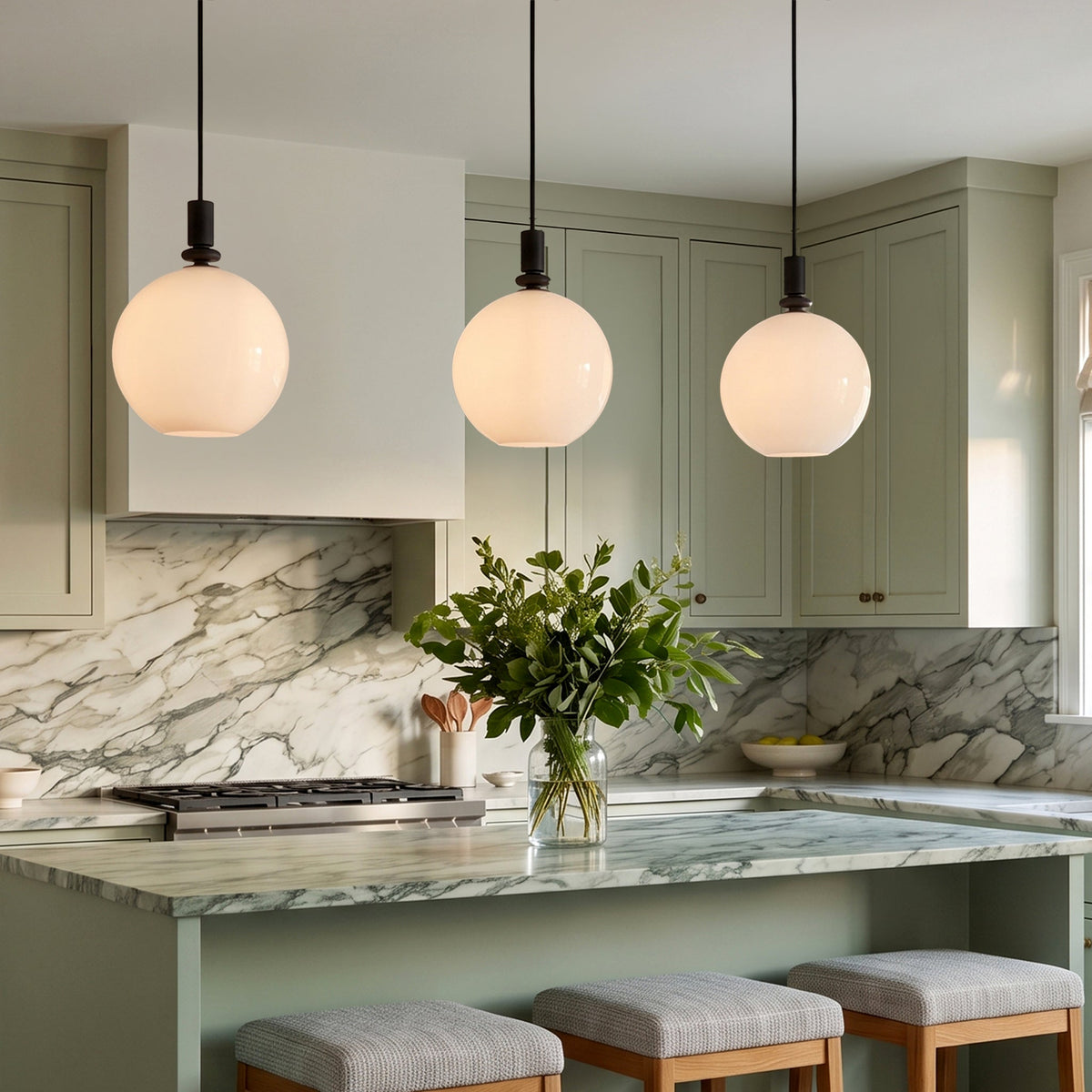
The Globe Pendant Light: A Mid-Century Classic Then and Now
A perfect sphere of glass suspended from the ceiling may seem almost too straightforward to become a design icon, but that simplicity is exactly what has kept the globe pendant light relevant for generations. It feels equally at home in a 1950s California ranch, a modern city apartment, or a newly renovated kitchen today. Today, the globe pendant has evolved far beyond its mid-century origins. Modern materials, refined finishes, and new lighting technology, including both integrated LED designs and traditional socketed styles, have given the classic form a fresh point of view. The result is a familiar silhouette that can feel minimal, sculptural, architectural, or softly decorative while still retaining the simplicity that made it iconic in the first place.
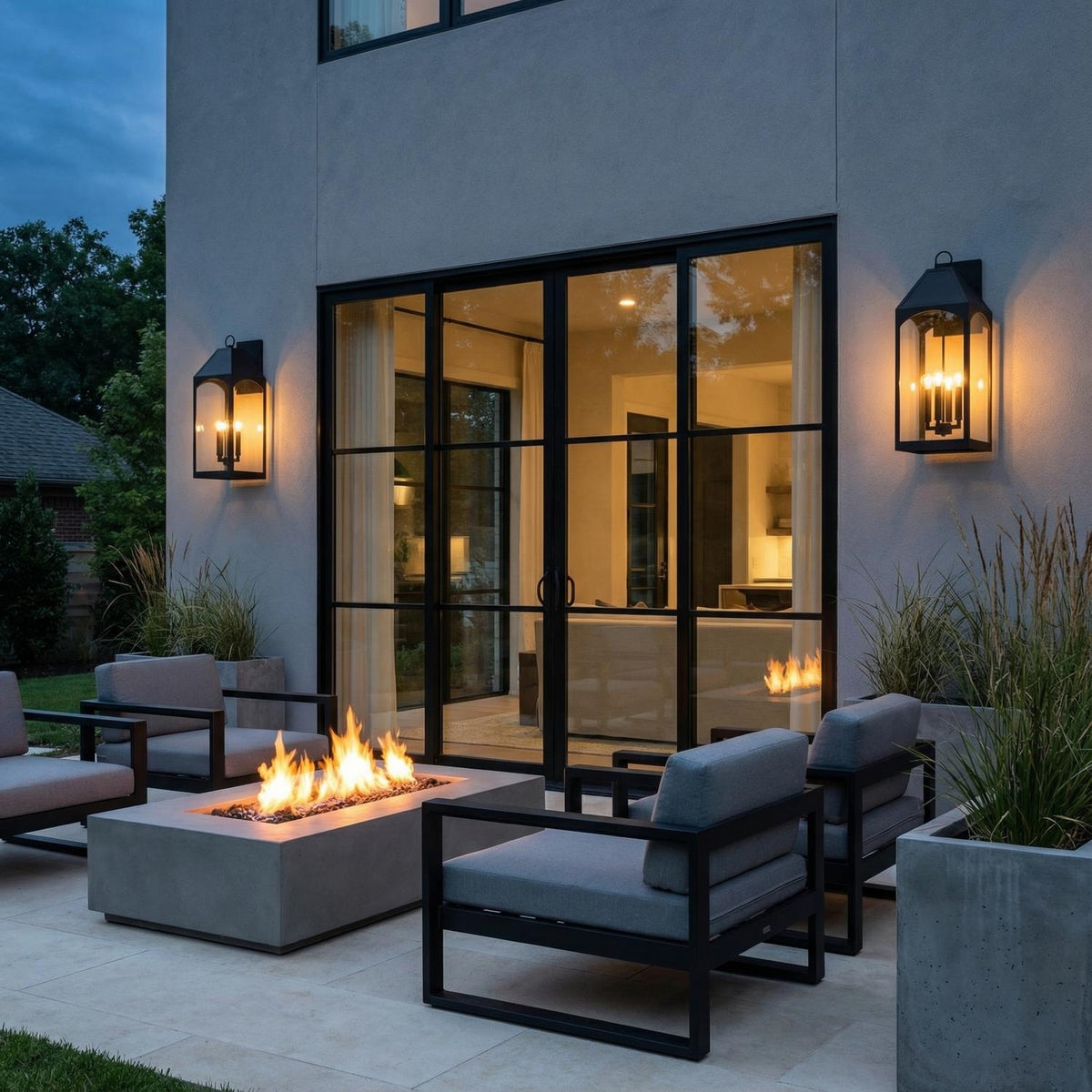
How to Light an Outdoor Patio or Porch for Safety & Ambiance
The best outdoor lighting plans use layers of light, combining wall lights, ceiling or hanging fixtures, portable lamps, and pathway lighting to give each area the right amount of illumination. Whether you're lighting a small covered porch or a large backyard entertaining area, here's how to get started.
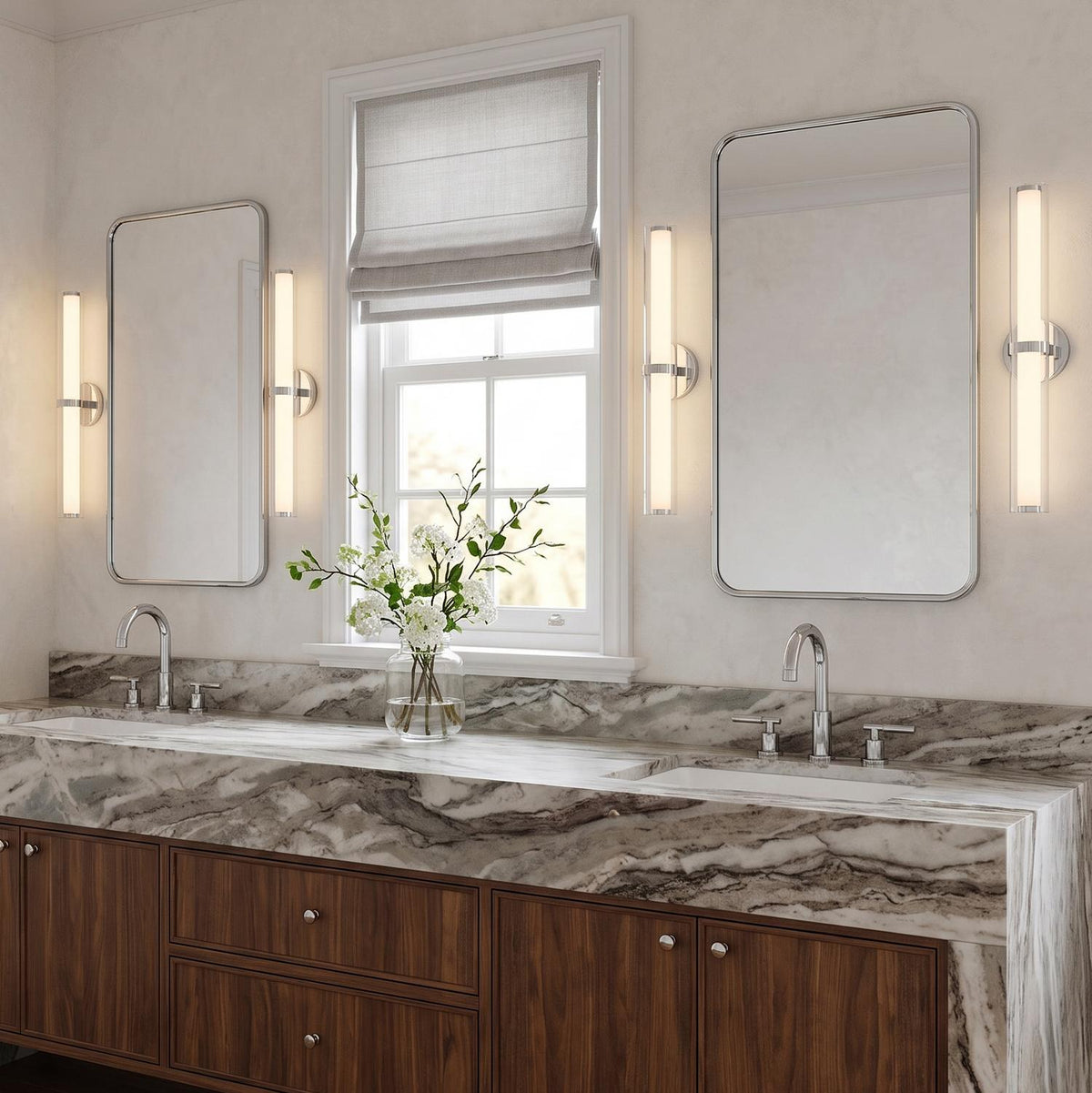
What Is CRI? A Guide to Color Rendering Index in Lighting
Have you ever noticed that paint, fabrics, or finishes look rich and vibrant in one room but dull or slightly off in another? The difference may come down to Color Rendering Index, or CRI. CRI helps describe how naturally colors appear under a light source, making it an important specification to consider when choosing indoor lighting.
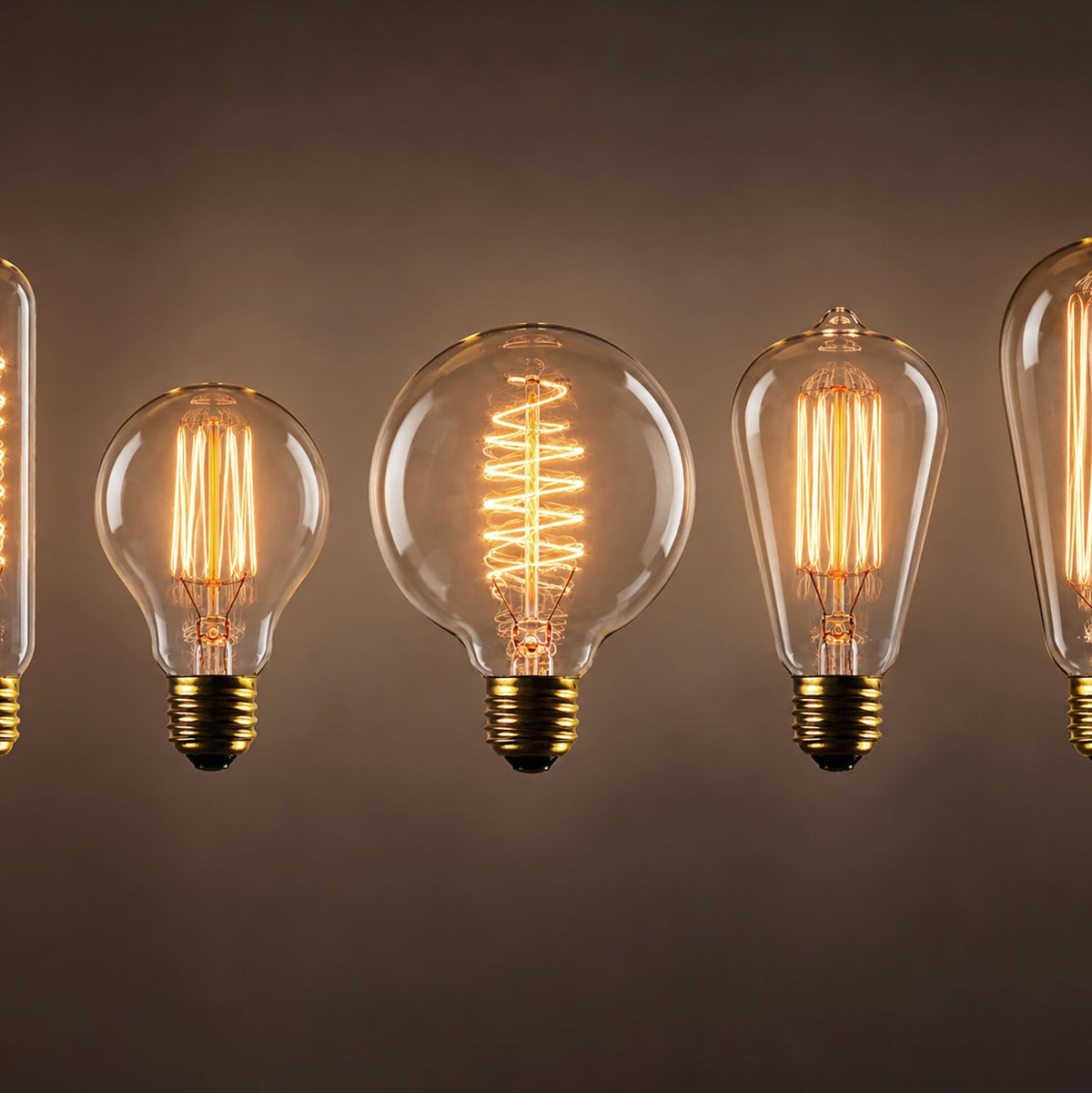
Light Bulb Types Guide: Bases, Shapes & Glass Finishes
Choosing the right light bulb comes down to three things: the base, the shape, and the glass finish. The base needs to match your fixture’s socket, and the bulb shape needs to physically fit inside the fixture, shade, or glass. A slim wall sconce may need a narrow T-shaped bulb, while a large globe bulb like a G40 might fit the socket but still be too wide for the fixture. Today, most replacement bulbs are LED instead of incandescent, but familiar base types like E12, E26, G9, and GU10 and bulb shapes like A19, B10, and G25 are still widely used. Once you know what those codes mean, choosing the right replacement gets much easier.

Five Iconic MCM Lighting Designers to Know
Meet the minds behind some of the world’s most popular lights. Mid-Century Modern is a design movement that emerged roughly from the mid-1940s to the late 1960s, flourishing in post-WWII America and Europe. It is characterized by simplicity, functionality, and a strong connection to nature. Lighting played a crucial role in MCM interiors—not just as a functional necessity, but as a form of sculptural art that reflected the era's values: innovation, efficiency, and elegance.
How Lighting Affects Your Home’s Paint Color
Ever pick the perfect paint color, only to have it look completely different once it’s on the wall? You’re not imagining it. Natural light, light bulb color temperature, brightness, and even the direction your room faces can bring out different undertones and make the same paint appear warmer, cooler, lighter, or darker throughout the day. Understanding how lighting affects paint color can help you choose both your paint and lighting with fewer surprises.
How Many Lumens Do You Need Per Square Foot?
Finding the right balance of light in a room comes down to one simple measurement: lumens. While wattage tells you how much electricity a bulb uses, lumens tell you how bright the light actually is. Calculating the total lumens required for any room ensures your space feels warm, welcoming, and properly lit without feeling uncomfortably dim or overly bright. The simple formula is Square Feet × Foot-Candles = Total Lumens Needed. Multiply your room's length by width to find square feet, then multiply by the foot-candle recommendation for that room type.
Home Office Lighting Ideas: How to Light Your Workspace
Good home office lighting should feel comfortable, flexible, and bright enough for everything from hand-drawn sketches to video calls. The best setup combines general overhead lighting with focused task lighting and a few softer secondary light sources, creating a workspace that feels polished without being harsh.


