
How Many Lumens Do You Need Per Square Foot? (Room-by-Room Calculator)

Lighting Expert
October 7, 2026
Finding the right balance of light in a room comes down to one simple measurement: lumens. While wattage tells you how much electricity a bulb uses, lumens tell you how bright the light actually is. Calculating the total lumens required for any room ensures your space feels warm, welcoming, and properly lit without feeling uncomfortably dim or overly bright.
Quick Formula: How to Calculate Lumens for Any Room
To figure out how much light your room needs, use this easy three-step calculation:
1. Find your room's square footage: Multiply Length × Width in feet.
2. Determine your foot-candles: "Foot-candles" simply means how bright the light needs to be at a distance of 1 foot from the source, based on what you do in that room.
• Relaxation spaces (Bedrooms, Living Rooms): 10 to 20 foot-candles
• Task spaces (Kitchens, Offices, Bathrooms): 30 to 50+ foot-candles
3. Multiply them together: Square Feet × Foot-Candles = Total Lumens Needed
Target Calculation: How Many Lumens Do I Need to Light a 12x15 Bedroom?
A 12x15 foot bedroom requires between 1,800 and 3,600 total lumens, depending on how bright you like your space.
Here is how the math breaks down:
• Step 1 (Square Feet): 12 ft × 15 ft = 180 sq. ft.
• Step 2 (Foot-Candles): Bedrooms need 10 to 20 foot-candles.
• Step 3 (Total Lumens):
- Cozy & Soft: 180 sq. ft. × 10 foot-candles = 1,800 total lumens
- Bright & Multi-Purpose: 180 sq. ft. × 20 foot-candles = 3,600 total lumens
How to Layer Lumens in a 12x15 Bedroom:
You don't need to get all 2,400 to 3,000 lumens from a single fixture. The secret to great lighting is layering:
• Overhead Ceiling Light (Flush Mount or Chandelier): Aim for 1,200 to 1,600 lumens (about two standard 800-lumen LED bulbs).
• Bedside Lamps or Wall Sconces: Aim for 400 to 800 lumens per lamp (800 to 1,600 lumens total across both sides of the bed).
Room-by-Room Lumens & Foot-Candle Guide:

Living Room: How Many Lumens Do I Need?
A standard 12x12 living room needs about 1,500 to 3,000 total lumens (10 to 20 foot-candles).
• 10 Foot-Candles (Cozy Evening): Perfect for unwinding, watching movies, and entertaining.
• 20 Foot-Candles (Active Daytime): Ideal for family game nights, hosting, or reading in seating areas.
Design Tip: Spread your living room lumens across three light sources: an overhead chandelier for ambient base light, table or floor lamps for reading, and wall sconces to add a warm accent glow.
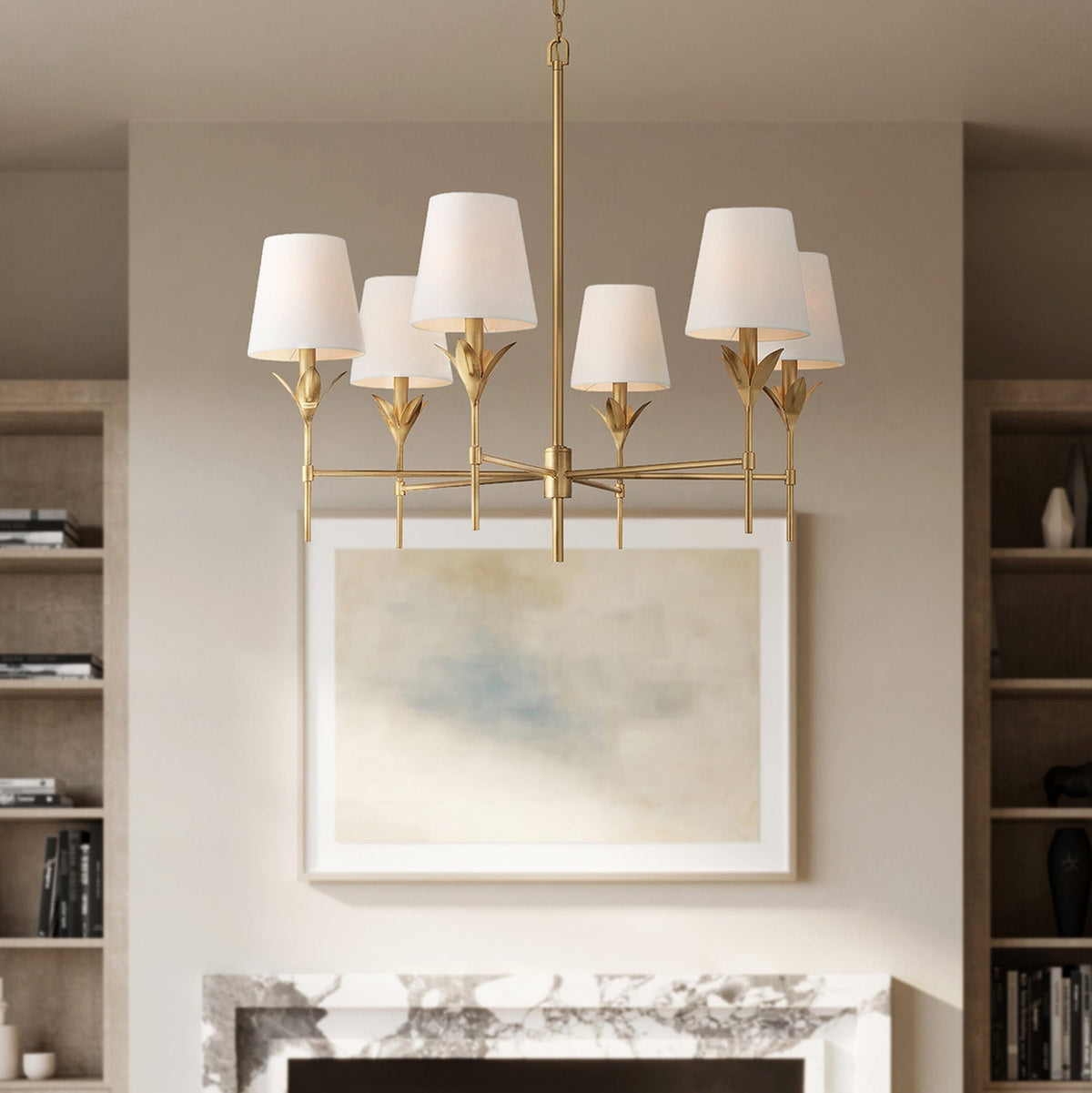
Casimir 6 Light Chandelier 50", Gilded Brass
Kitchen: How Many Lumens Do I Need?
Kitchens require high visibility—30 to 40 foot-candles for general room light, and up to 50 to 70 foot-candles over counter prep areas.
• 30 to 40 Foot-Candles (General Ambient): Keeps the overall room bright and inviting (about 3,000 to 4,000 lumens for a 10x10 kitchen).
• 50 to 70 Foot-Candles (Task Prep Areas): Provides sharp visibility over counters and islands for chopping ingredients and reading recipes safely.
Design Tip: Overhead lights can cast shadows behind you while standing at the counter. Add under-cabinet lights or low-hanging island pendants to push direct task lumens right where you work.

Dining Room: How Many Lumens Do I Need?
A 10x10 dining room needs roughly 3,000 to 4,000 total lumens (30 to 40 foot-candles).
• 30 Foot-Candles (Atmospheric Dining): Creates a warm, flattering glow over meals and dinner parties.
• 40 Foot-Candles (Multi-Use Dining): Best if your table doubles as a work-from-home desk or craft station.
Design Tip: Concentrate about 60% to 70% of your dining room's total lumens directly over the table using a central chandelier or linear pendant, then let accent lamps or wall sconces handle the rest.
Chesterfield 2 Shade Linear Pendant 54", Aged Brass and Distressed Bronze
Bathroom & Vanity: How Many Lumens Do I Need?
Bathrooms need 30 to 40 foot-candles for general lighting, and 70 to 80 foot-candles focused at the vanity mirror.
• 30 to 40 Foot-Candles (General Bathroom): Delivers clean ambient light throughout the space.
• 70 to 80 Foot-Candles (Vanity Mirror): Provides shadow-free light for makeup, grooming, and shaving (about 1,400 to 1,600 lumens right around the mirror).
Design Tip: Place vanity sconces on either side of the mirror at eye level rather than putting a single fixture directly above it. Side lighting casts an even glow across your face with zero under-eye shadows.

Home Office: How Many Lumens Do I Need?
A 10x12 home office needs roughly 6,000 to 8,400 total lumens (50 to 70 foot-candles).
• 50 Foot-Candles (General Screen Work): Reduces screen glare and eye strain during computer work and video calls.
• 70 Foot-Candles (Detail Task Work): Essential for reviewing paper documents, writing, or detailed crafts.
Design Tip: Avoid powering your entire office with one ultra-bright ceiling light. Combine a moderate ambient flush-mount overhead light with a desk lamp aimed directly at physical paperwork.
Jacob Linear LED Pendant 48", Matte Black
Hallways & Entryways: How Many Lumens Do I Need?
Entryways and hallways require 5 to 10 foot-candles (about 500 to 1,000 lumens for a 10x10 entryway).
• 5 Foot-Candles (Hallways & Passageways): Soft light that guides movement safely without feeling harsh.
• 10 Foot-Candles (Foyers): Highlights front-door architecture, staircases, and entryway decor.
Design Tip: For two-story foyers, calculate your baseline lumens using the ground floor footprint, then choose a multi-tiered chandelier that projects light both upward and downward to fill the vertical space.
Lumens-to-Wattage Quick Conversion Reference
If you are replacing older incandescent bulbs with modern LED bulbs, remember: watts measure energy used, but lumens measure brightness.
Kelvin Look for This Brightness (Lumens) | Old Incandescent Wattage | New LED Wattage (Uses ~80% Less Energy) |
|---|---|---|
450 Lumens | 40 Watts | 5-6 Watts |
800 Lumens | 60 Watts | 8-10 Watts |
1,100 Lumens | 75 Watts | 11-13 Watts |
1,600 Lumens | 100 Watts | 14-17 Watts |
2,600 Lumens | 150 Watts | 22-25 Watts |
Frequently Asked Questions
Open a question to see the answer.
Still have questions?
Talk to our lighting teamYou Might Also Like
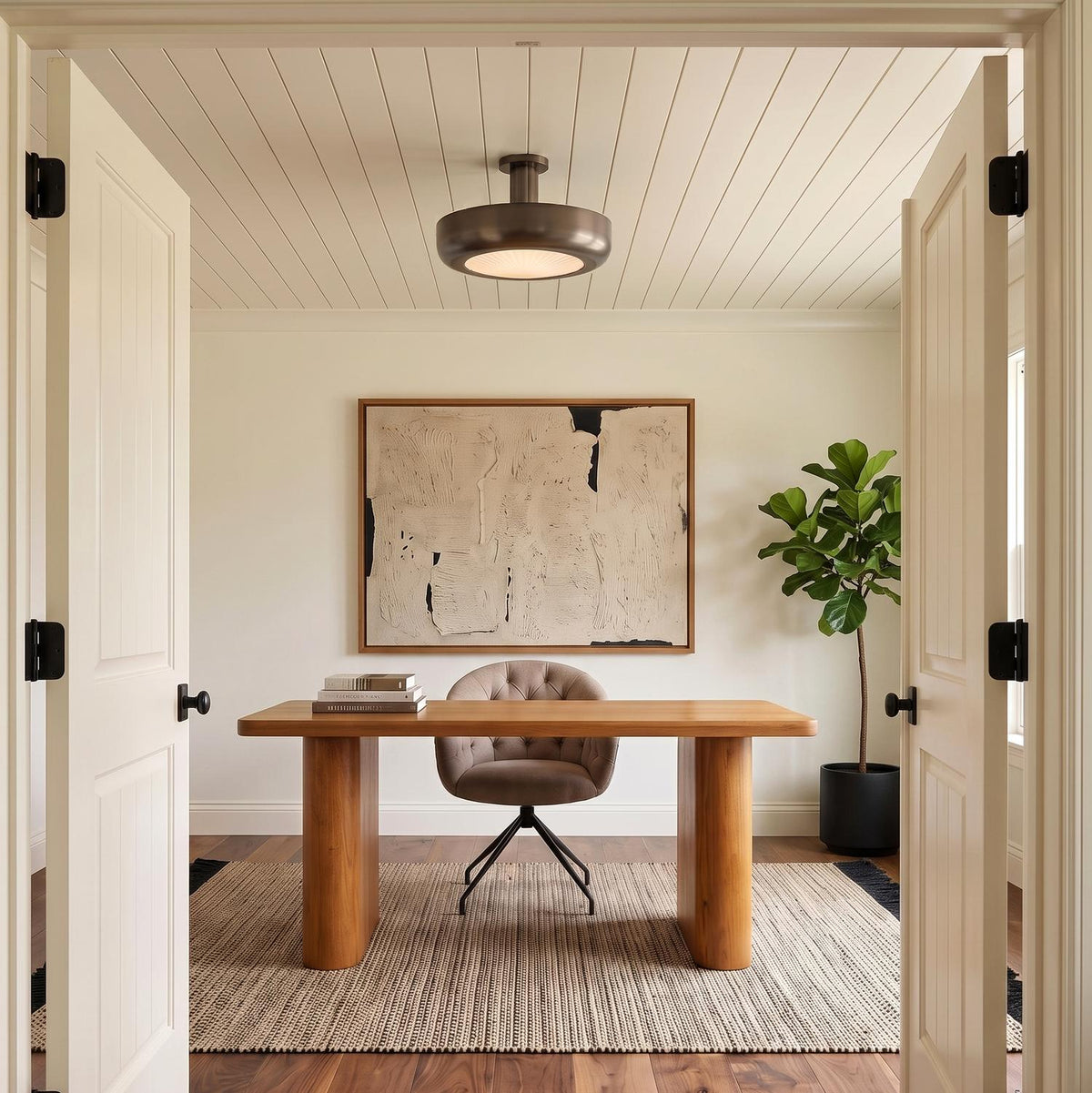
Home Office Lighting Ideas: How to Light Your Workspace
Good home office lighting should feel comfortable, flexible, and bright enough for everything from hand-drawn sketches to video calls. The best setup combines general overhead lighting with focused task lighting and a few softer secondary light sources, creating a workspace that feels polished without being harsh.
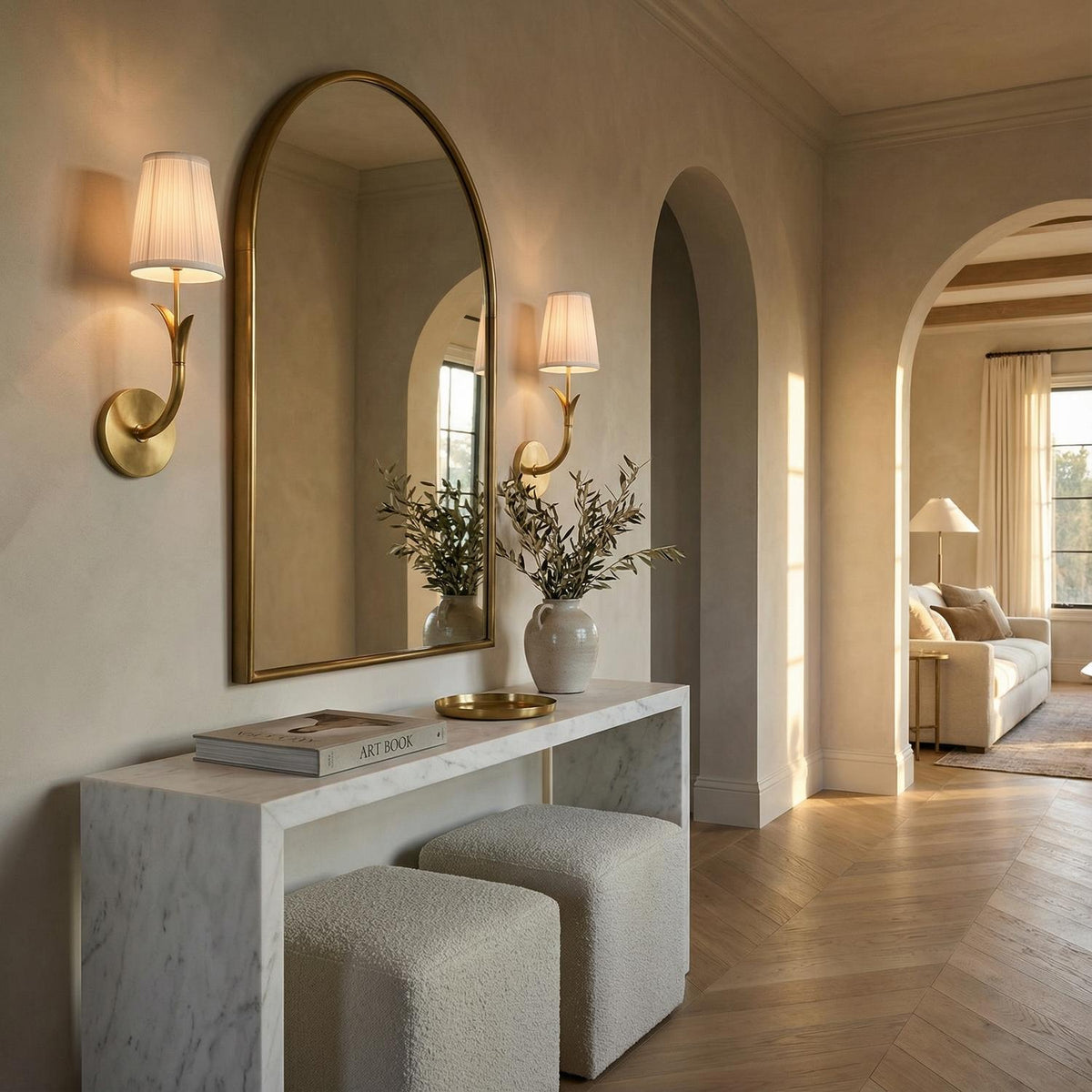
How to Choose And Install Wall Sconces
Wall sconces are one of the easiest ways to add another layer of light without taking up valuable floor or table space. They can provide flattering bathroom lighting, brighten a hallway, replace bedside lamps, or simply add warmth and character to a room. The key is choosing the right style for the space and installing them at a height that works for both the fixture and the people using the space. As a general starting point, install wall sconces with the center of the fixture approximately 60–66 inches from the floor. From there, adjust the height based on ceiling height, fixture size, furniture, and the purpose of the light.
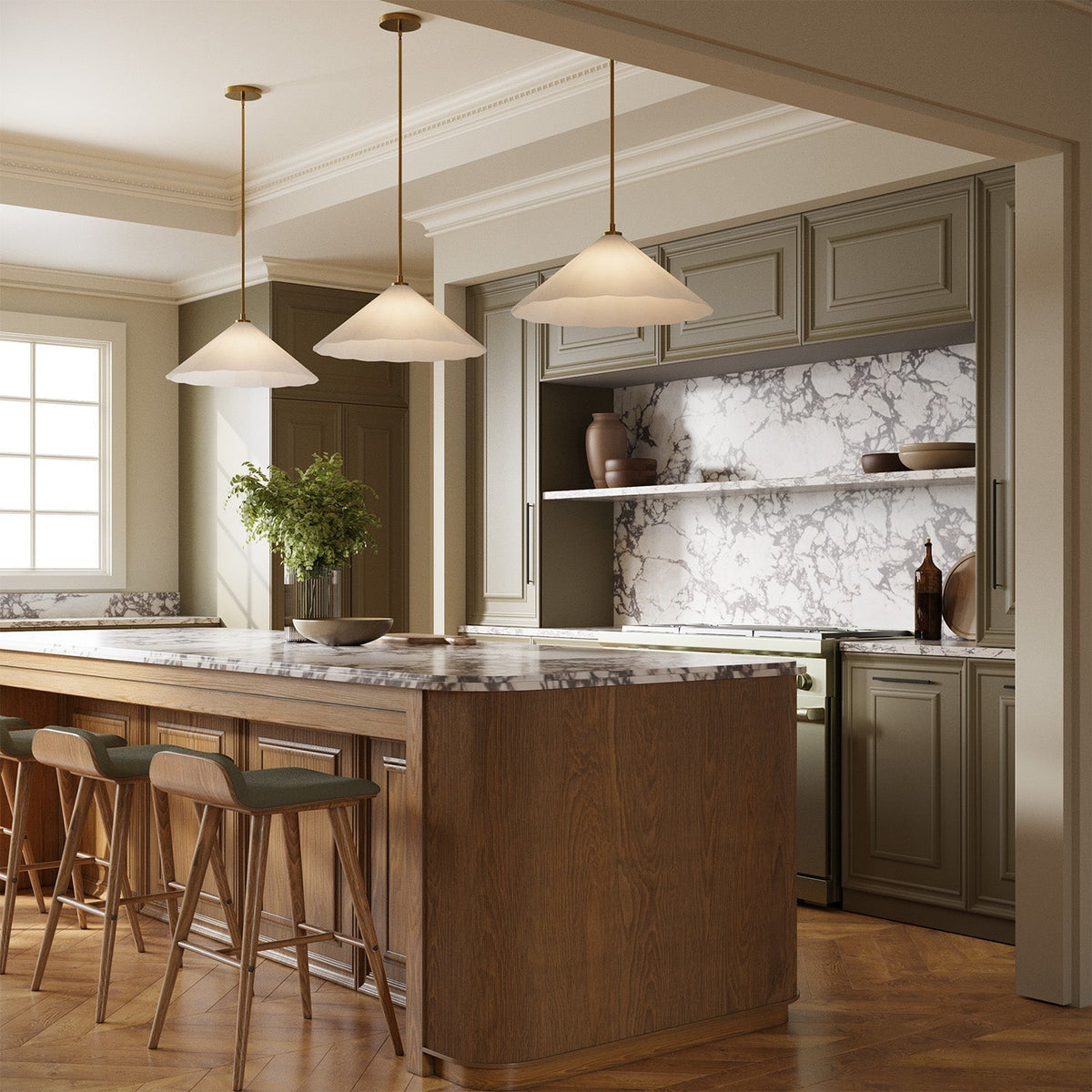
How to Choose Kitchen Lighting
Pendant lights are one of the easiest ways to add both practical light and personality to a kitchen island. Depending on the length of your island and the size of your fixtures, you can use one oversized pendant, a pair of statement lights, or a row of smaller pendants. The goal is to provide even illumination across the work surface while keeping the fixtures visually balanced with the island below.
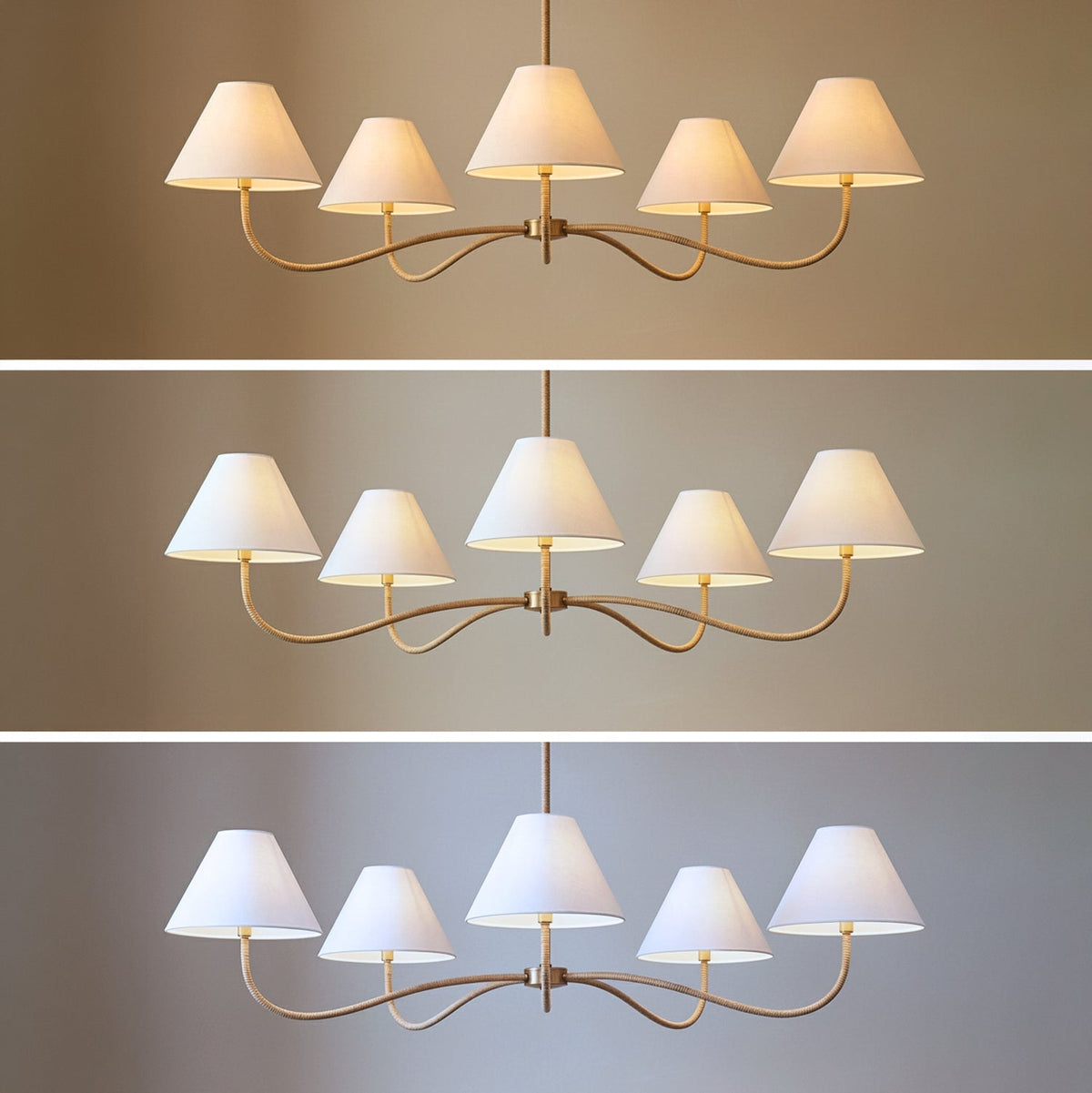
How to Choose Color Temperature for Every Room
Light color temperature is measured on the Kelvin (K) scale and dictates whether a space feels warm and relaxing or cool and energetic. Choosing between 2700K (Soft White), 3000K (Warm White), 4000K (Cool White), and 5000K (Bright White—typically not recommended for residential spaces) depends on the room's function, decorative finish, and time-of-day usage.
How to Choose The Right Chandelier
Choosing the right chandelier is about finding the perfect balance of size, shape, and style for your home. Whether you’re selecting a chandelier for a dining room, living room, or foyer, the right proportions can make all the difference. With a few simple chandelier sizing and style tips, you can find a fixture that feels beautifully balanced and perfectly suited to your space.
How Lighting Affects Your Home’s Paint Color
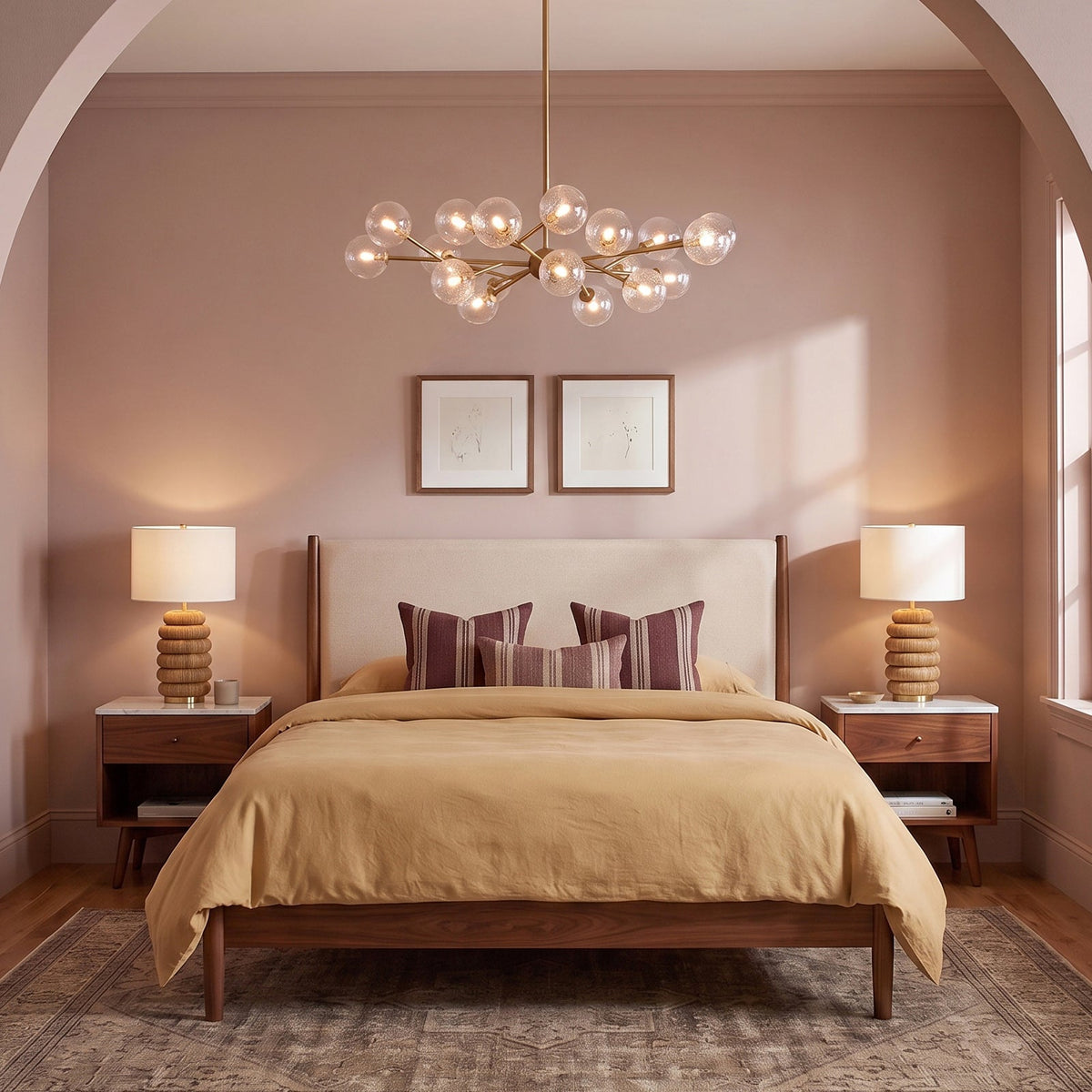
Why do your navy blue walls look black at certain times of day? And why does a normally white room appear yellow in the evenings? If you’ve ever experienced these perplexities, you can attest to how much light can affect our perception of color.

Iconic MCM Lighting Designers to Know
Meet the minds behind some of the world’s most popular lights. Mid-Century Modern is a design movement that emerged roughly from the mid-1940s to the late 1960s, flourishing in post-WWII America and Europe. It is characterized by simplicity, functionality, and a strong connection to nature. Lighting played a crucial role in MCM interiors—not just as a functional necessity, but as a form of sculptural art that reflected the era's values: innovation, efficiency, and elegance.
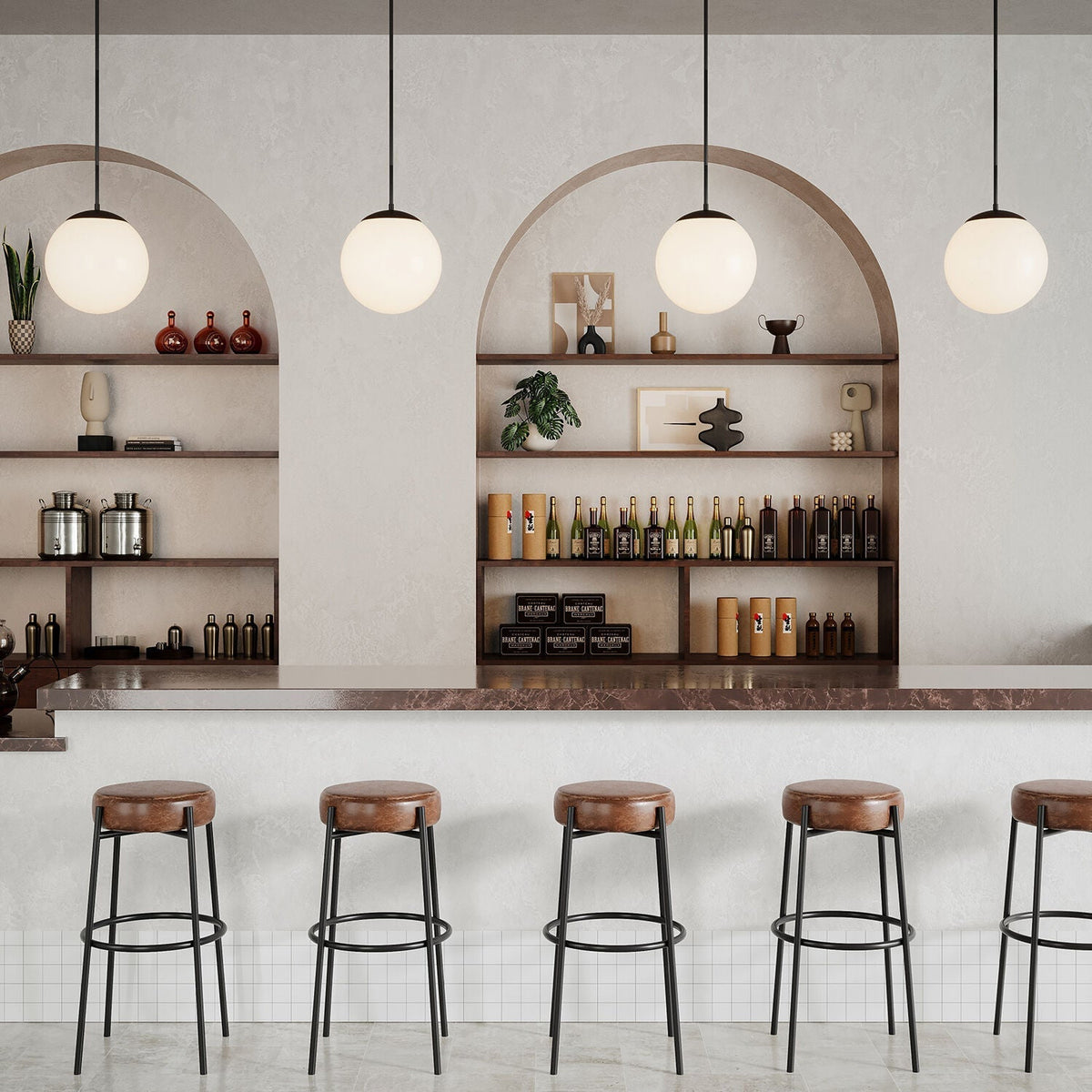
The Globe Pendant Light, A Mid-Century Favorite Then and Now
While the globe pendant light has made a triumphant return, appearing in design magazines and well-decorated contemporary homes as of late, this mid-century fixture never fell out of favor. Since its inception, the globe light fixture has remained a cult favorite among mid-century enthusiasts from California to New York.


