
How to Choose Kitchen Lighting: A Guide to Island Pendants, Sizing & Placement

Lighting Expert
September 30, 2026
Kitchen lighting needs to do a little bit of everything. It should provide plenty of light for cooking and food prep, create a comfortable atmosphere for everyday meals and entertaining, and complement the overall style of the room. The best kitchen lighting plans use a combination of decorative, ambient, and task lighting, with kitchen island pendants often taking center stage.
From choosing the right number and size of pendants to finding the perfect hanging height, a few simple guidelines can help you create a kitchen that feels bright, balanced, and beautifully put together.

Kitchen Island Pendant Lighting
Pendant lights are one of the easiest ways to add both practical light and personality to a kitchen island. Depending on the length of your island and the size of your fixtures, you can use one linear pendant, a pair of statement lights, or a row of smaller pendants. The goal is to provide even illumination across the work surface while keeping the fixtures visually balanced with the island below.
Don’t choose the number of pendants based on the “rule of three” alone. The size of the fixtures matters just as much as the size of the island. Two larger pendants may look much better than three small ones over the same space.
How Many Pendants Should You Hang Over a Kitchen Island?
The right number of pendants depends on both the length of the island and the diameter of the fixtures. Larger pendants need more breathing room, while smaller designs can be grouped more closely together.
SMALL KITCHEN ISLANDS, 4-5 FT
MEDIUM KITCHEN ISLANDS, 6-7 FT
LARGE KITCHEN ISLANDS, 8 FT +
- Choose one large statement pendant or two smaller pendants.
- Avoid squeezing too many fixtures into a smaller island. Two well-scaled pendants will often feel more balanced than three undersized ones.
- Keep the overall scale proportional to the island so the lighting feels intentional without crowding the countertop.
- Two substantial pendants are a classic choice and create a clean, balanced look.
- Three smaller pendants can also work well when the fixture diameter is more compact.
- Space the fixtures evenly across the island so the light is distributed across the full work surface.
- Consider two oversized pendants, three medium-size pendants, or several smaller pendants, depending on the design.
- Space the fixtures evenly across the island - You can leave more space on the ends for large islands
- A single linear chandelier is another great option for creating visual impact across a larger island.


How High Should Pendant Lights Hang Above a Kitchen Island?
Hanging height is one of the most important considerations when installing kitchen island lighting. Pendants should sit low enough to provide useful illumination without blocking sightlines across the room.
• Hang the bottom of your pendant lights approximately 30–36 inches above the countertop.
• Larger or visually heavier fixtures may look better toward the upper end of that range.
• Keep sightlines in mind, especially in open kitchens where you want to be able to comfortably see across the island.
Pay attention to the height of the pendant itself. Taller fixtures may need to be hung slightly higher so the bottom of the light stays within the recommended range without making the fixture feel too low or visually heavy over the island.
How Far Apart Should Kitchen Island Pendants be?
Pendant spacing depends on the width of the fixtures, so there isn’t one measurement that works for every kitchen. As a starting point, leave at least 6 inches between the outer edge of the fixture and the end of the island, although larger margins often create a more relaxed and balanced look.
• Space pendants evenly across the island, measuring from the center of each fixture.
• Leave enough room between the widest points of each pendant so the fixtures don’t feel crowded.
• Smaller pendants can generally sit closer together, while oversized shades need more breathing room.
• Keep the outside edges of the pendants comfortably inside the ends of the island rather than placing them directly over the edges.
Before installation, use painter’s tape to mark the approximate pendant positions on the island and/or ceiling. This makes it much easier to visualize spacing before the electrical boxes are installed.
What Size Pendant Lights Should You Choose?
Pendant size is just as important as pendant quantity. Small pendants can disappear over a large island, while oversized fixtures can make a compact kitchen feel crowded.
• Choose fixtures that feel substantial enough to relate to the width and length of the island.
• Larger islands can support wider or more sculptural pendants, while narrow islands typically benefit from slimmer designs.
• Consider the overall visual weight of the fixture as well as its measurements. An open-frame or clear-glass pendant may feel lighter than a solid metal shade of the same size.
For a typical three-seat island, two pendants around 12–18 inches wide each can be a good starting point. For example, above a 72-inch island, two 16-18 inch pendants usually provide enough visual presence without crowding the countertop.
Linear Lighting For Kitchen Islands
Multiple pendants aren’t the only option. A linear chandelier or pendant can provide the same decorative impact with a single fixture. Linear fixtures can create a cleaner, more streamlined look than multiple individual pendants, making them well suited to modern and contemporary kitchens.
• Linear fixtures work especially well over long rectangular islands because their shape naturally follows the length of the countertop.
• Choose a fixture that stays comfortably within the length and width of the island rather than extending beyond its edges.
• Multi-light linear designs can provide plenty of illumination across a larger work surface while maintaining the look of a single fixture.
Have just one centered junction box over your island? A linear or multi-light fixture can give you the look and coverage of several pendants from a single ceiling connection, without adding multiple electrical boxes.

Consider How The Pendant Directs Light
CONICAL SHADES or DOWNLIGHTS
CLEAR GLASS SHADES
OPAL GLASS or FABRIC SHADES
- Conical shades, metal RLM-style shades, and dome-shaped shades direct the light downward, making them a great option for focused task lighting over a work surface.
- Clear glass shades allow light to spread throughout the room and can help a fixture feel lighter, more open, and not block sight lines as much.
- Opal or frosted glass, as well as fabric shades, soften the light and help reduce glare while still providing even illumination.


Think about glare as well as style. Clear glass and exposed-bulb pendants can look beautiful, but they may feel harsh if the bulb is too bright. Choose lower-lumen bulbs, frosted bulbs, or a fixture with a diffuser if you think this may bother you.
General & Task Lighting For The Kitchen
Kitchen island pendants shouldn’t be expected to light the entire room. A well-designed kitchen uses multiple layers of lighting to illuminate work areas and create comfortable overall brightness.

Ceiling & Task Lighting
• Add general ceiling lighting throughout the kitchen to fill in areas that your island pendants may not reach.
• Instead of relying only on recessed lighting, consider small cylinder flush mounts or compact ceiling fixtures for a more decorative, intentional look.
• Position task lighting near important work zones such as food-prep counters, the range, and the sink.
• Keep general lighting relatively simple so it complements rather than competes with your statement island fixtures.
Under-cabinet lighting adds useful task light directly to countertops and prep areas while creating a soft glow in the evening. For an easy, renter-friendly option, rechargeable LED lights can mount beneath cabinets without hardwiring.
Wall Sconces In The Kitchen
Wall sconces are becoming an increasingly popular way to bring more personality and layered light into the kitchen. They work especially well in areas where cabinetry leaves open wall space.
- Try a pair of sconces flanking the range hood or cooktop for a balanced, architectural look.
- Frame a window over the sink with a pair of sconces to add symmetry and bring extra light to the workspace at night.
- Use sconces or picture lights near open shelving to add another layer of light while giving the wall a finished, decorative look.


Wall sconces are a great place to introduce a second lighting style. Pair simple island pendants with more decorative sconces—or vice versa—to give the kitchen a layered, collected feel.
Use Dimmers For More Flexibility
Kitchen lighting needs change throughout the day. Bright lighting is useful for food prep and cleanup, while softer light creates a much more comfortable atmosphere for dining and entertaining.Whenever possible, install your island pendants, linear chandelier, and other decorative fixtures on dimmer switches. If your fixtures use replaceable bulbs, make sure the bulbs are labeled dimmable and the wall dimmer is compatible with your selected bulbs.
In Conclusion
Choosing the right kitchen lighting starts with thinking about how you use each area of the room. Pendant lights or a linear chandelier can create a beautiful focal point over the kitchen island, while ceiling lights, wall sconces, and under-cabinet lighting help provide the additional task and ambient light a hardworking kitchen needs. By paying attention to pendant size, spacing, hanging height, and light direction, you can create a layered kitchen lighting plan that feels balanced, functional, and beautifully suited to your space.
Frequently Asked Questions
Open a question to see the answer.
Still have questions?
Talk to our lighting teamYou Might Also Like
How to Choose And Install Wall Sconces
Wall sconces are one of the easiest ways to add another layer of light without taking up valuable floor or table space. They can provide flattering bathroom lighting, brighten a hallway, replace bedside lamps, or simply add warmth and character to a room. The key is choosing the right style for the space and installing them at a height that works for both the fixture and the people using the space. As a general starting point, install wall sconces with the center of the fixture approximately 60–66 inches from the floor. From there, adjust the height based on ceiling height, fixture size, furniture, and the purpose of the light.
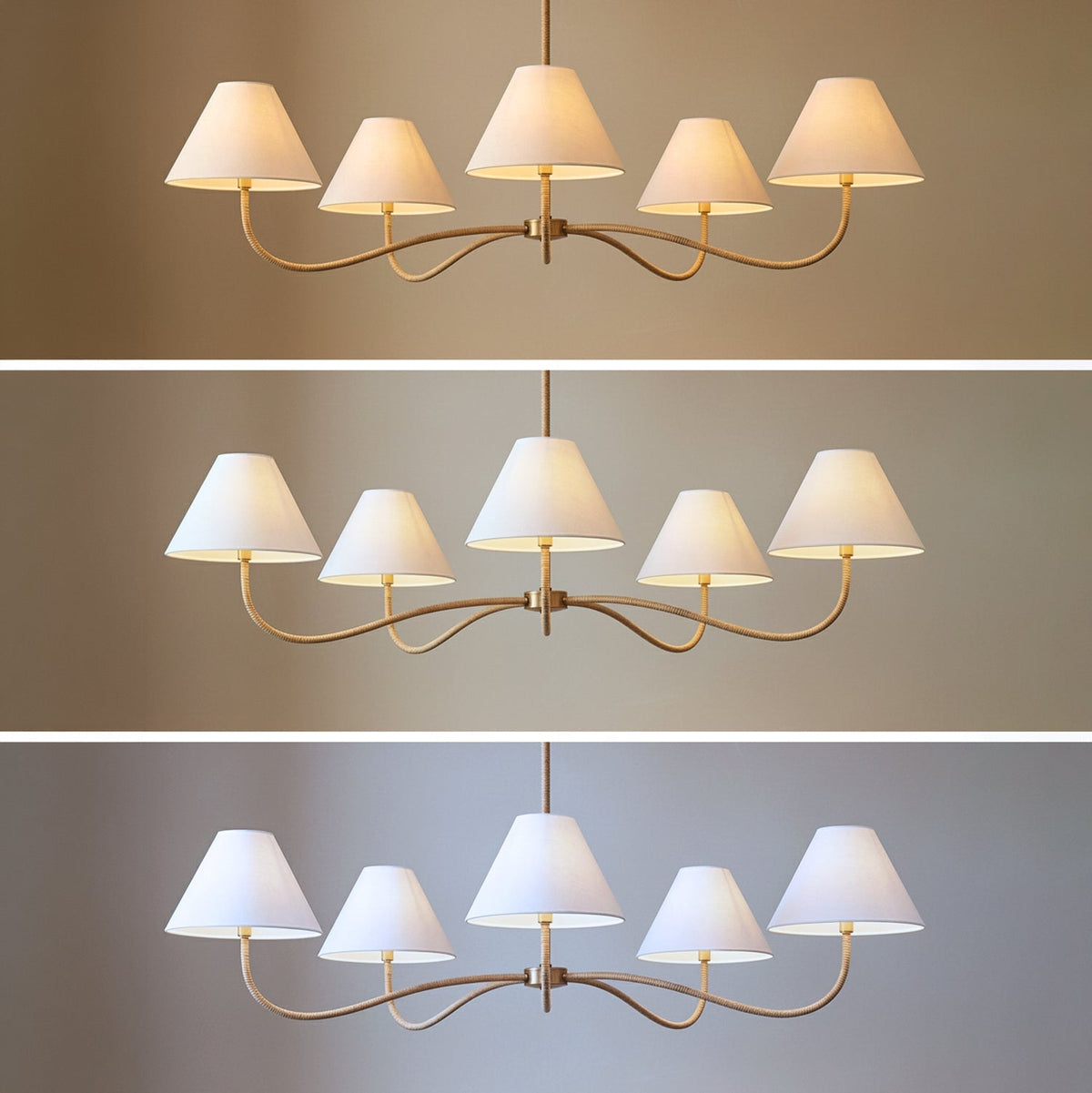
How to Choose Color Temperature for Every Room
Light color temperature is measured on the Kelvin (K) scale and dictates whether a space feels warm and relaxing or cool and energetic. Choosing between 2700K (Soft White), 3000K (Warm White), 4000K (Cool White), and 5000K (Bright White—typically not recommended for residential spaces) depends on the room's function, decorative finish, and time-of-day usage.
How to Choose The Right Chandelier
Choosing the right chandelier is about finding the perfect balance of size, shape, and style for your home. Whether you’re selecting a chandelier for a dining room, living room, or foyer, the right proportions can make all the difference. With a few simple chandelier sizing and style tips, you can find a fixture that feels beautifully balanced and perfectly suited to your space.
Bright Ideas for the Home Office
Across the spectrum of careers, modern work life is changing. While we adjust to the work from home lifestyle, the home office has become an essential part of our homes. Turning a spare bedroom or den into a home office that projects professionalism and maximizes productivity isn’t rocket science, but it isn’t as simple as swapping the daybed for a desk. This how-to will show you what lighting can do to help make your home office your favorite place to work.
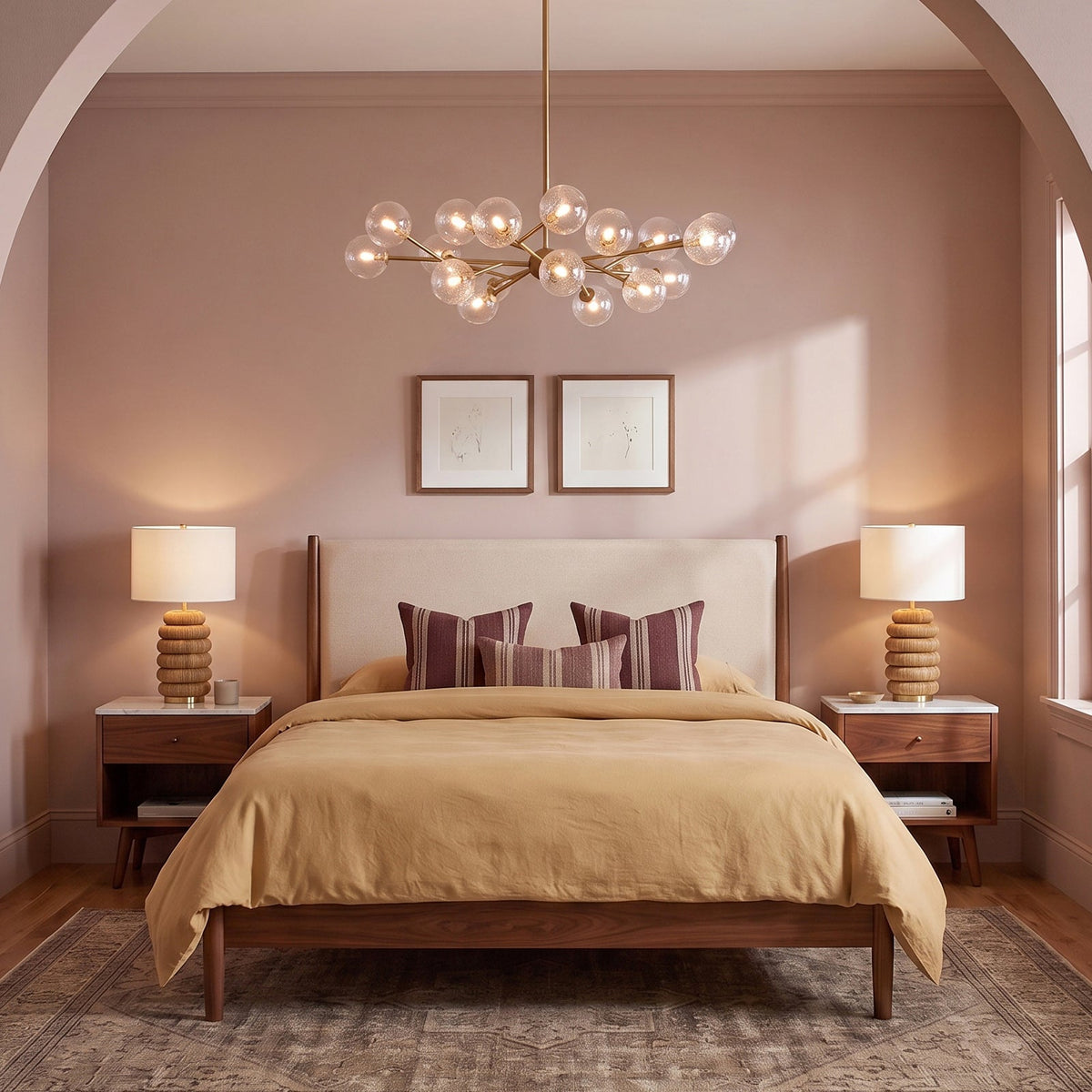
How Lighting Affects Your Home’s Paint Color
Why do your navy blue walls look black at certain times of day? And why does a normally white room appear yellow in the evenings? If you’ve ever experienced these perplexities, you can attest to how much light can affect our perception of color.

Iconic MCM Lighting Designers to Know
Meet the minds behind some of the world’s most popular lights. Mid-Century Modern is a design movement that emerged roughly from the mid-1940s to the late 1960s, flourishing in post-WWII America and Europe. It is characterized by simplicity, functionality, and a strong connection to nature. Lighting played a crucial role in MCM interiors—not just as a functional necessity, but as a form of sculptural art that reflected the era's values: innovation, efficiency, and elegance.
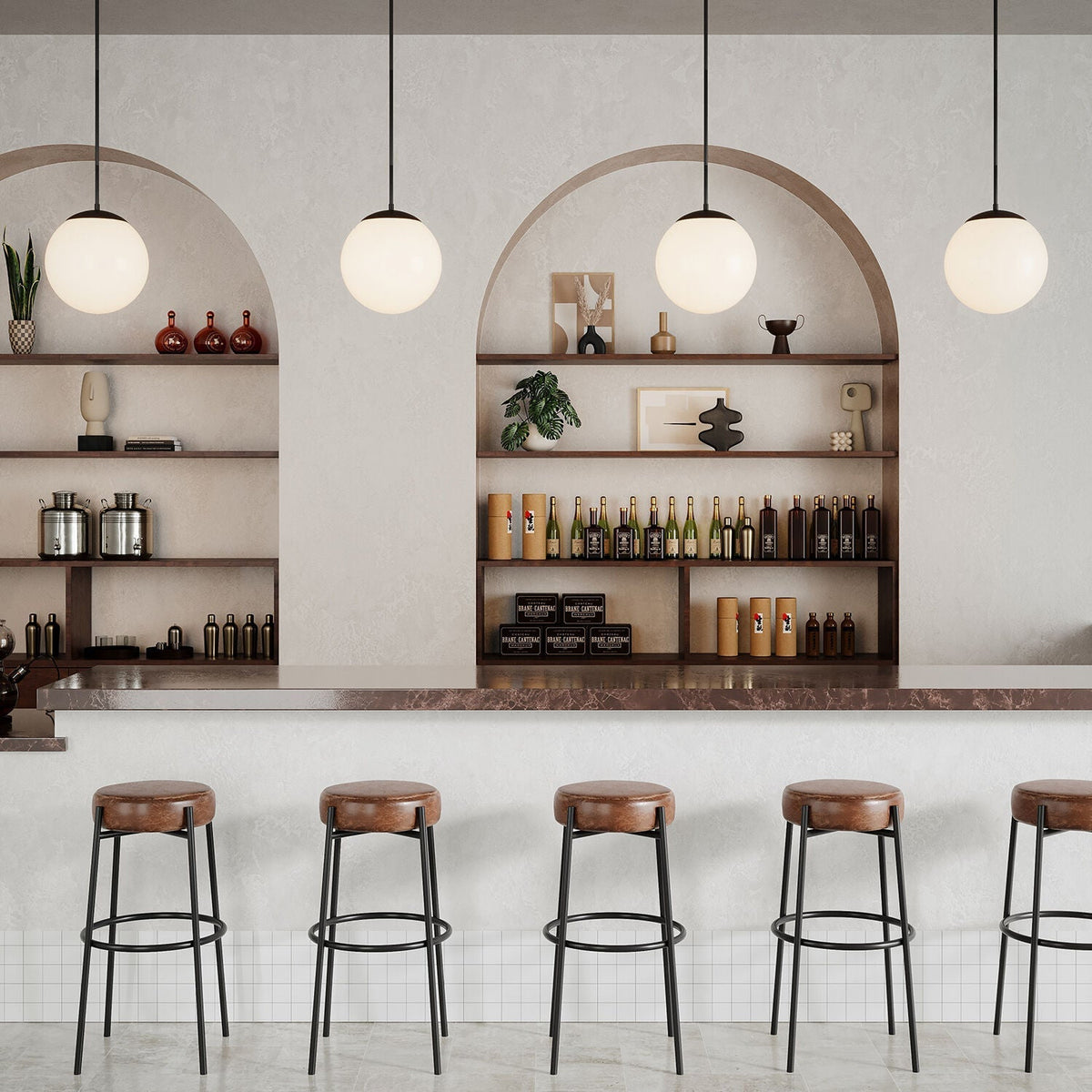
The Globe Pendant Light, A Mid-Century Favorite Then and Now
While the globe pendant light has made a triumphant return, appearing in design magazines and well-decorated contemporary homes as of late, this mid-century fixture never fell out of favor. Since its inception, the globe light fixture has remained a cult favorite among mid-century enthusiasts from California to New York.
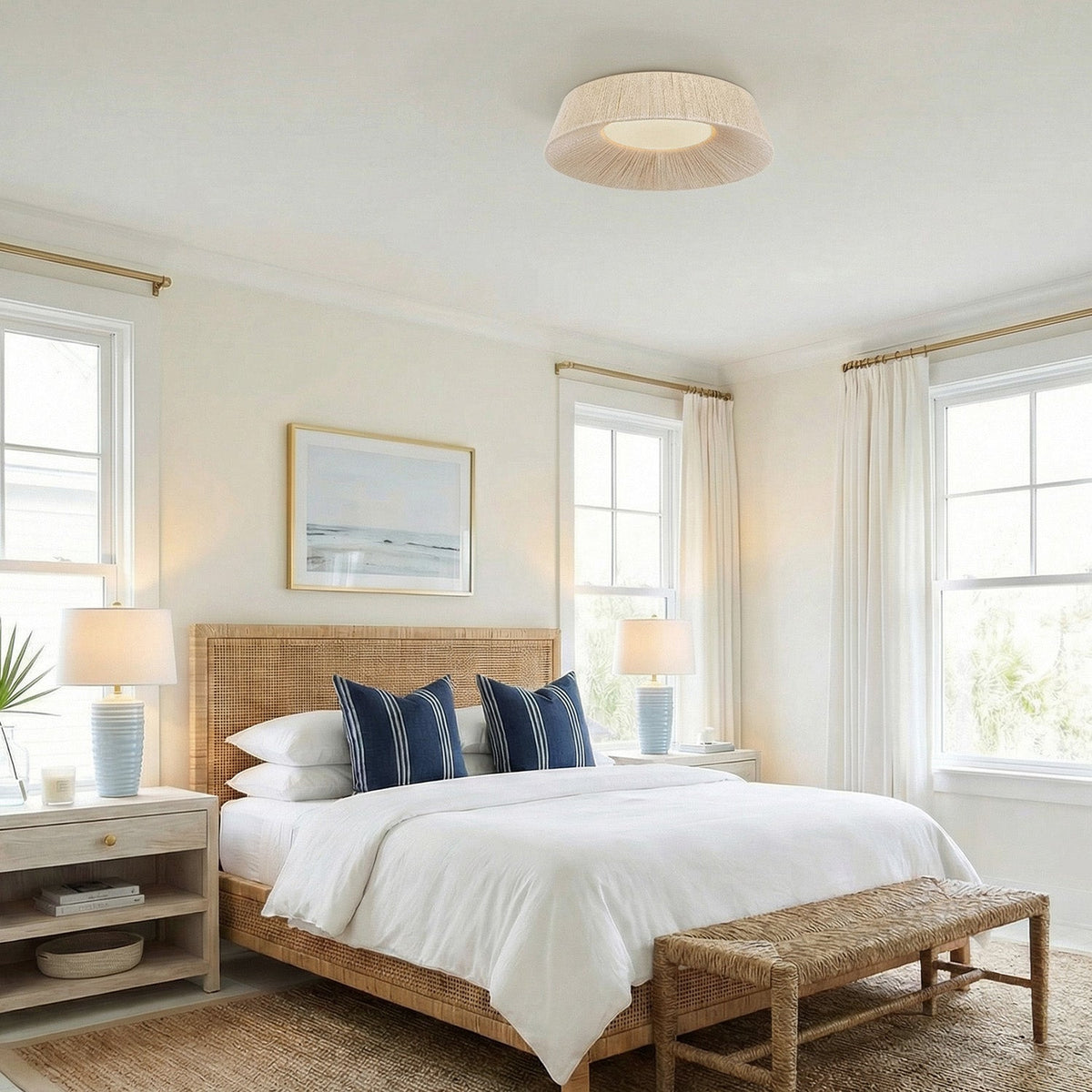
Modern Bedroom Lighting Design: Tips and Basics
Modern bedrooms are versatile, intimate spaces. They serve as a physical reflection of your interests and style and as a retreat from daily stresses. Modern bedroom lighting should be designed with attention on equal parts functionality and relaxation. This 101 is a quick guide with tips for getting the bedroom lighting you need in with the modern bedroom lighting style you want.


